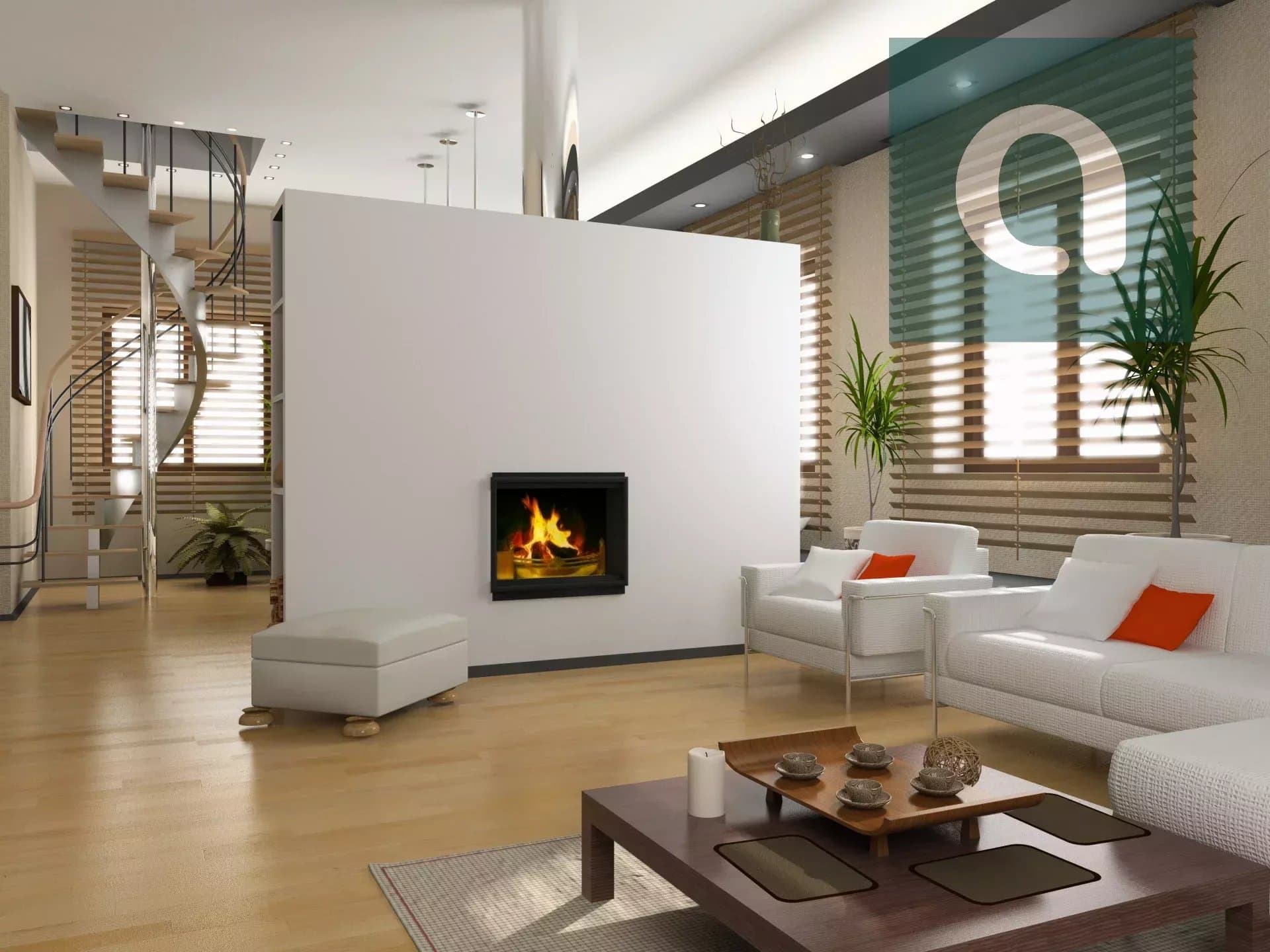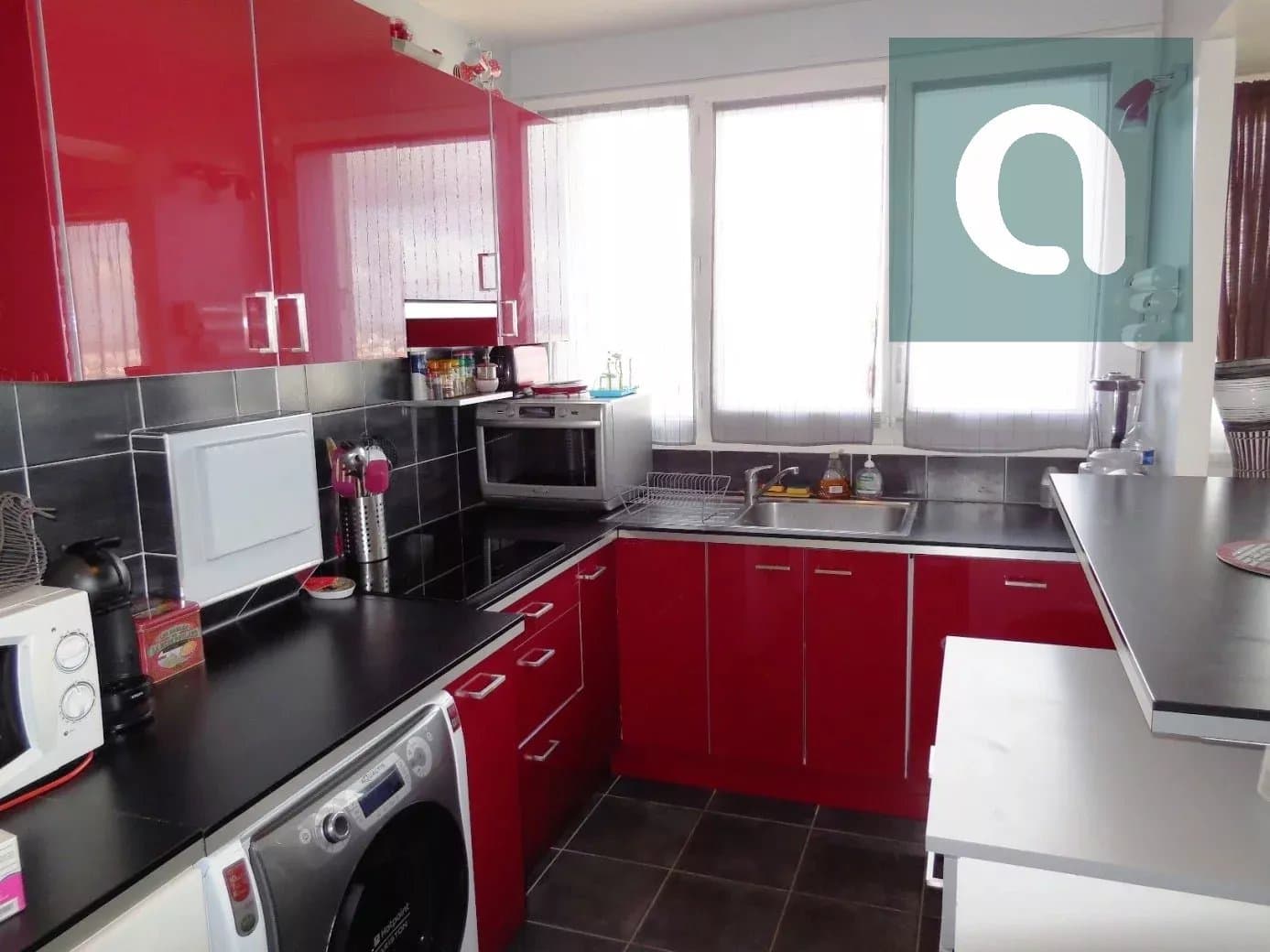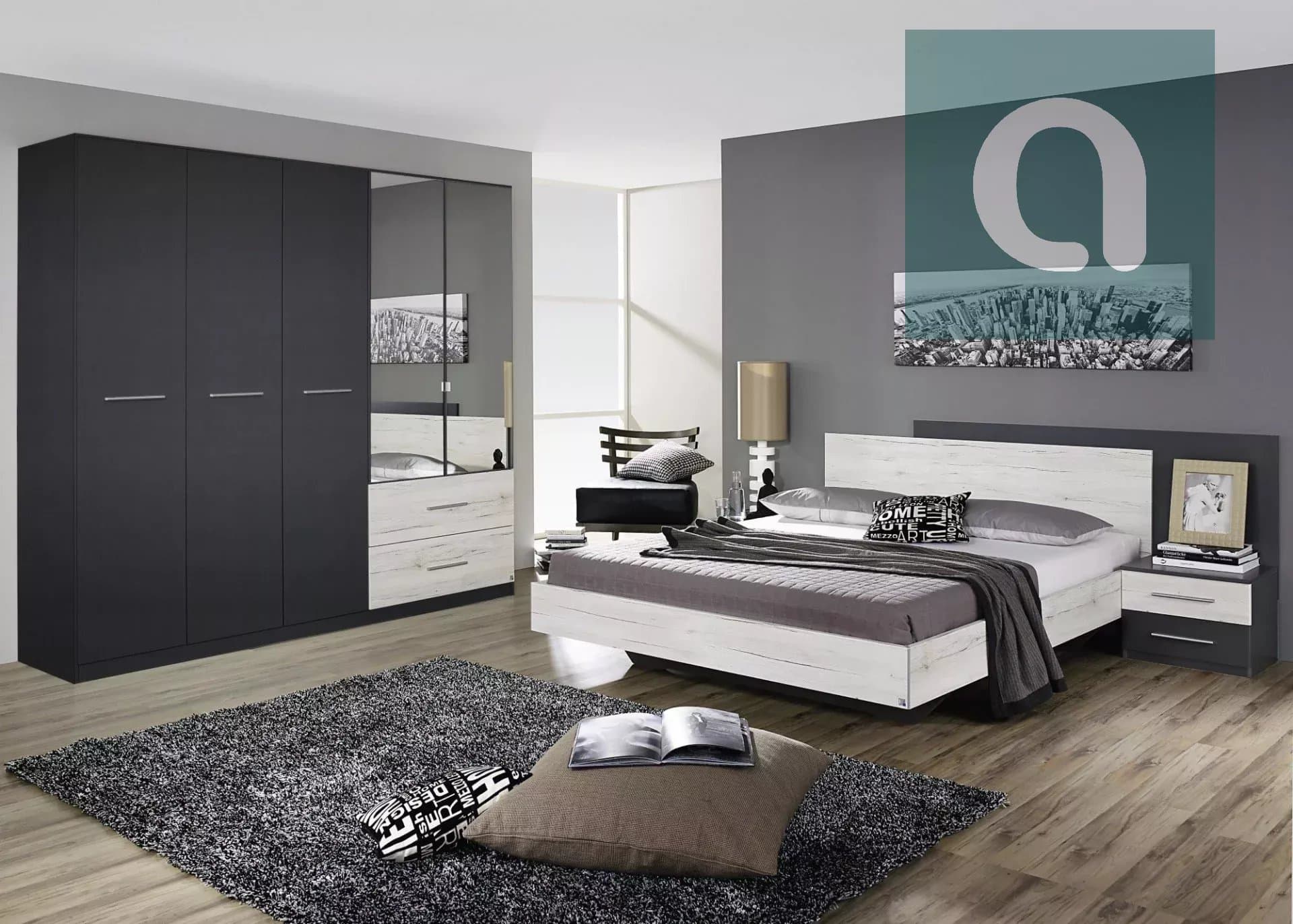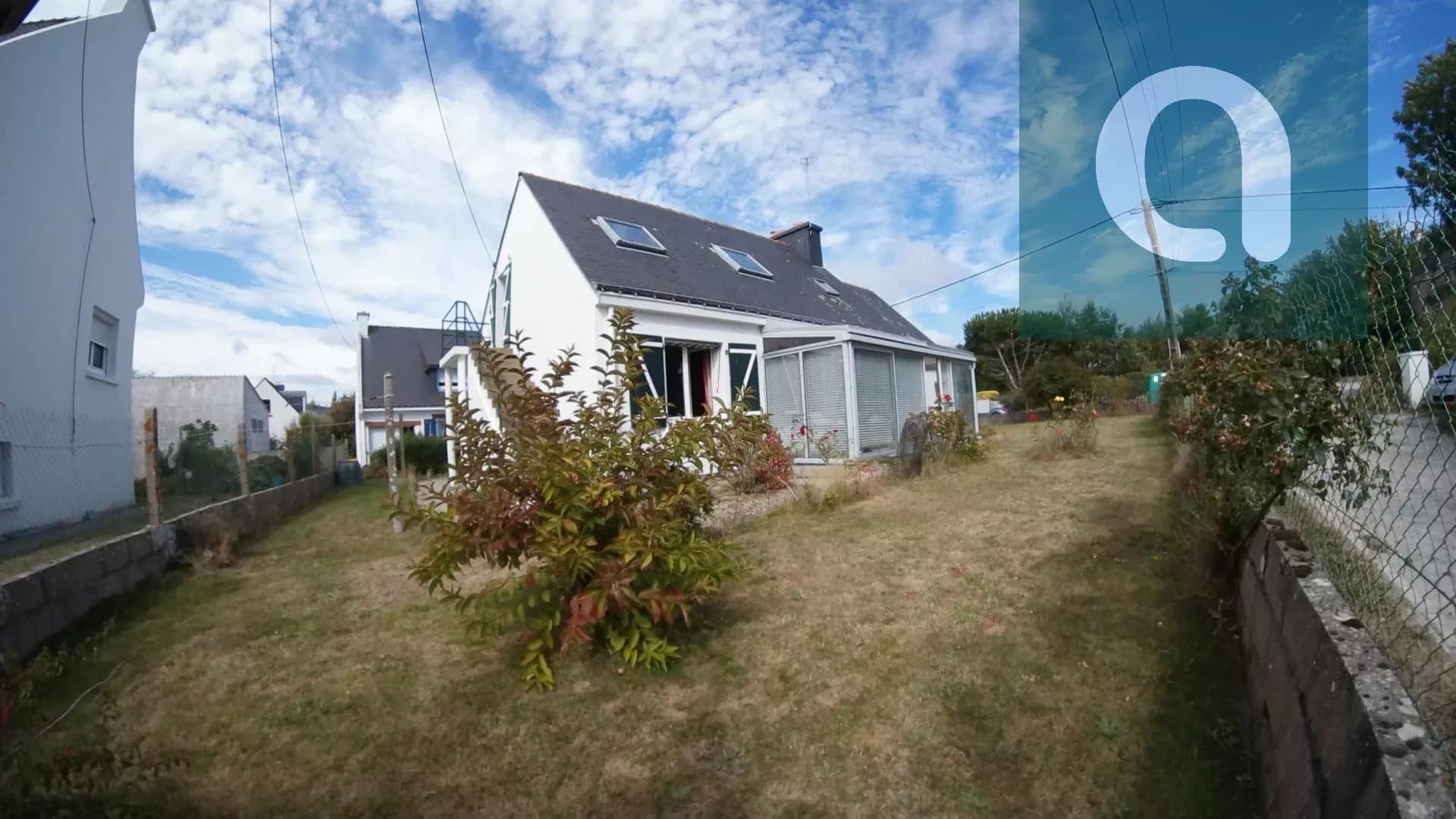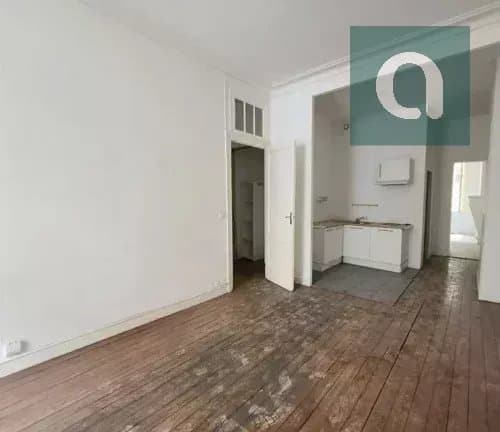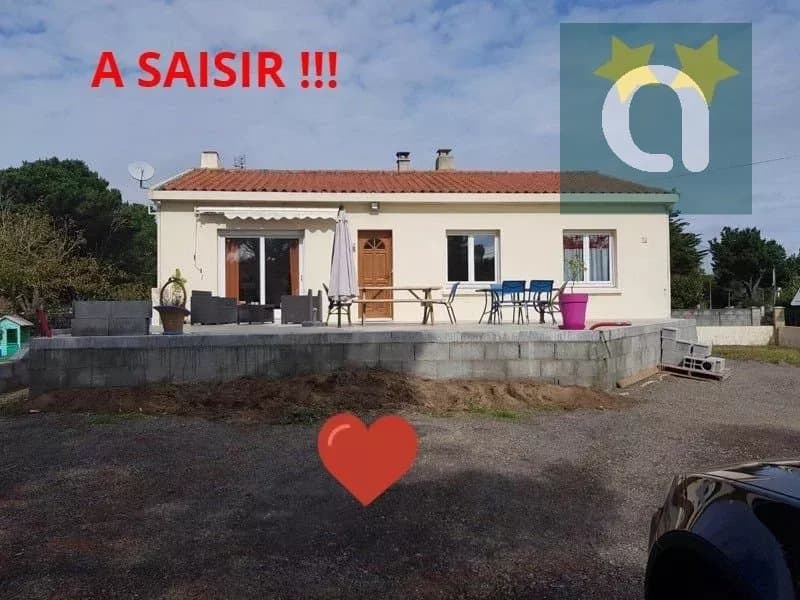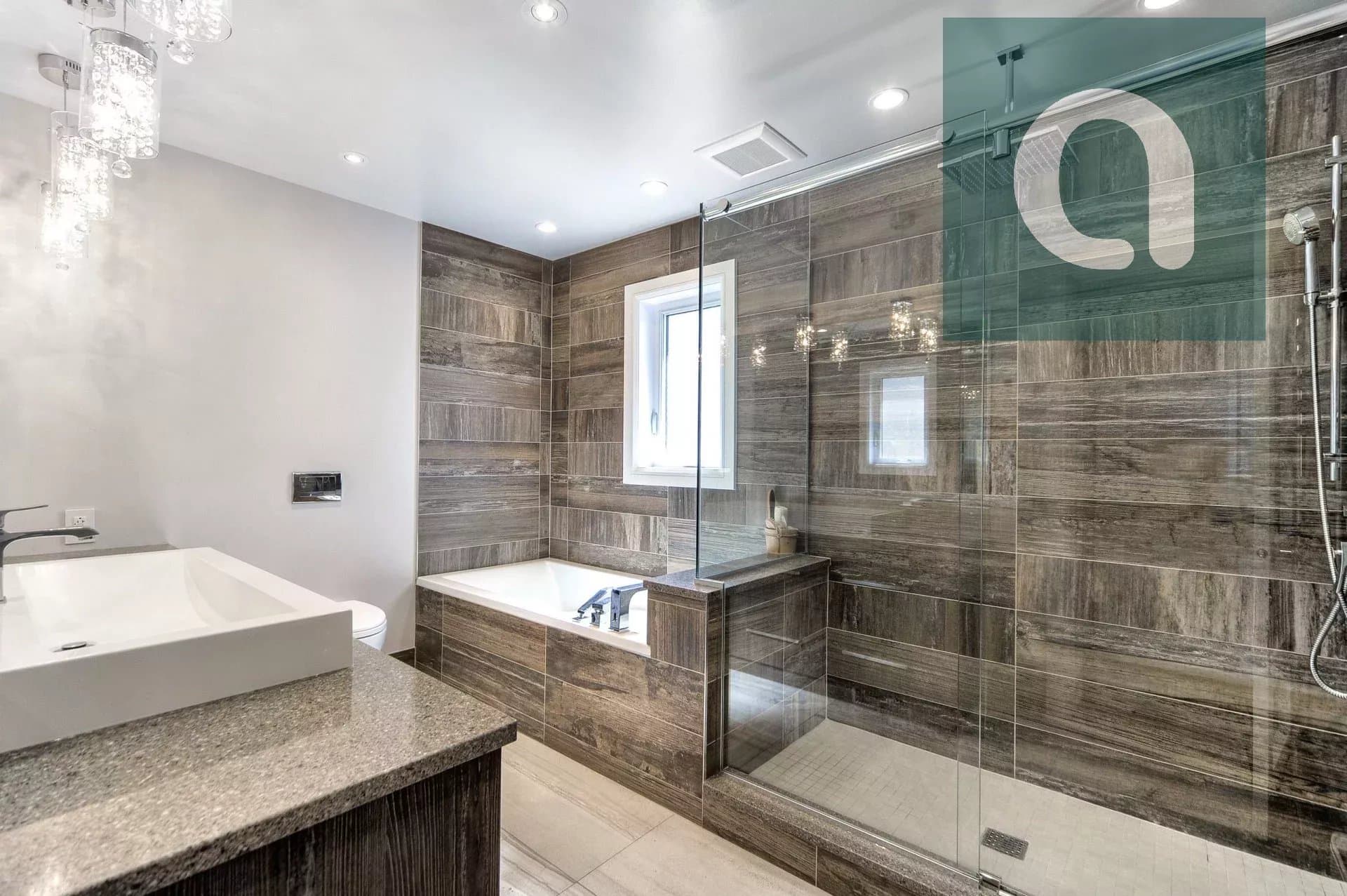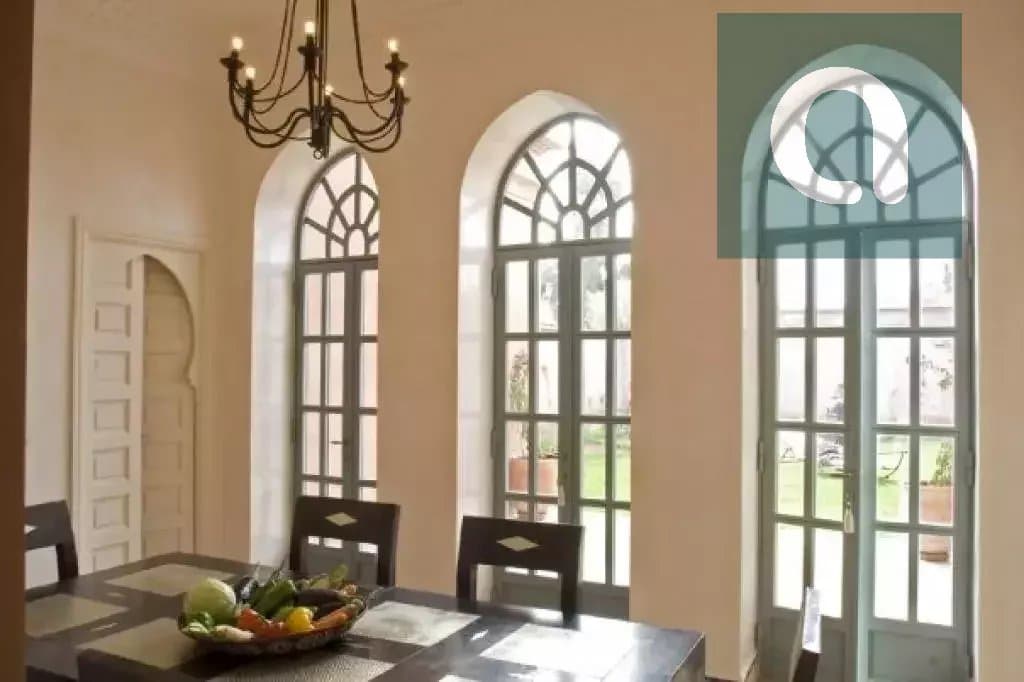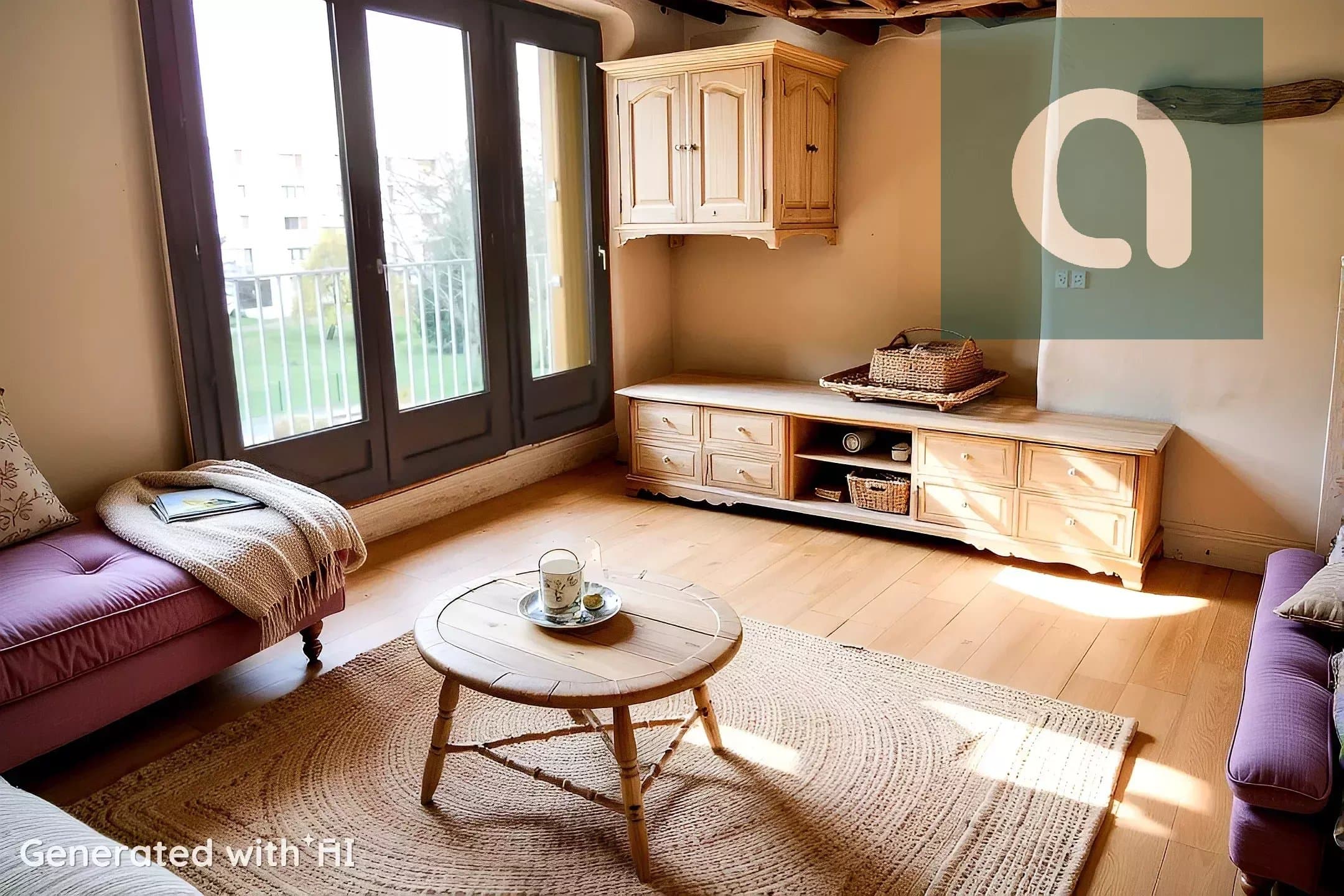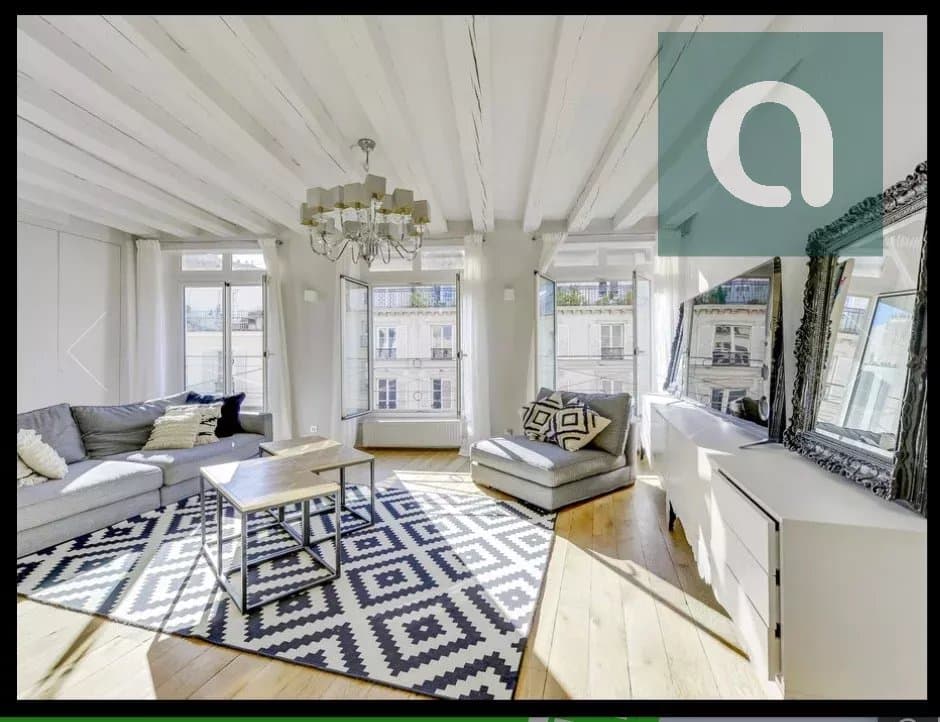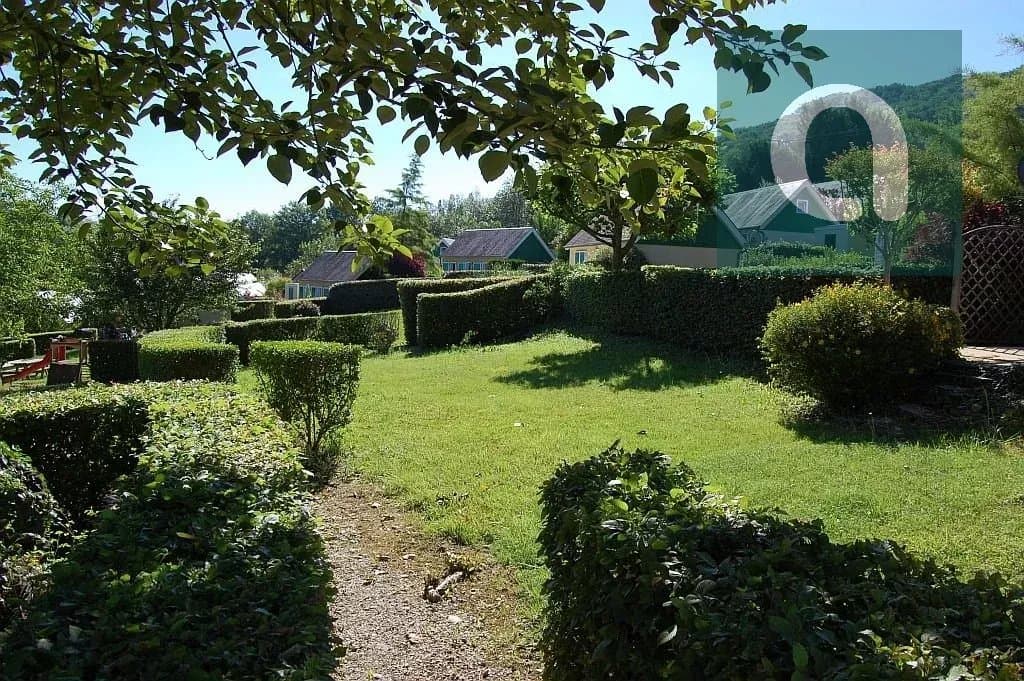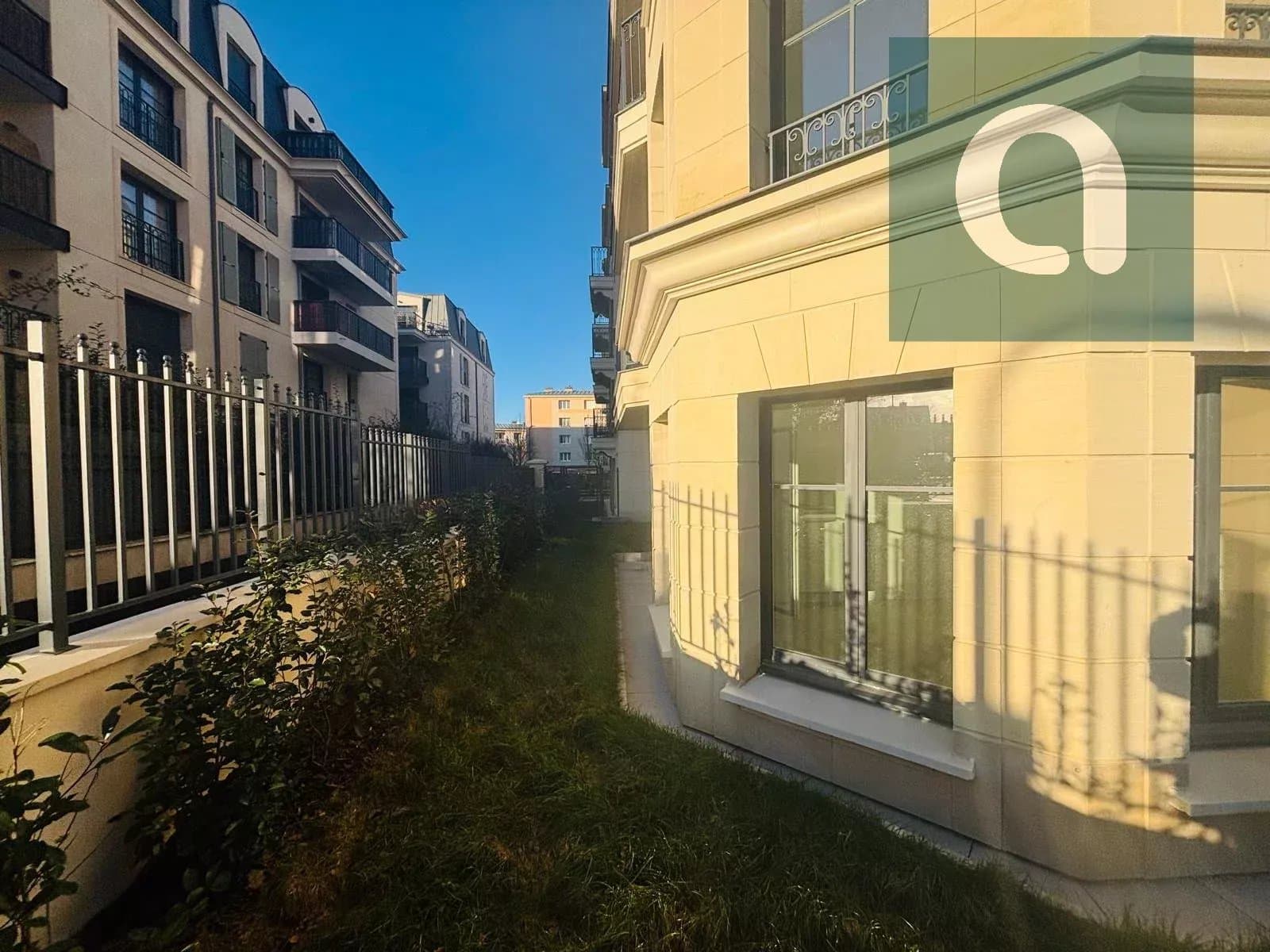
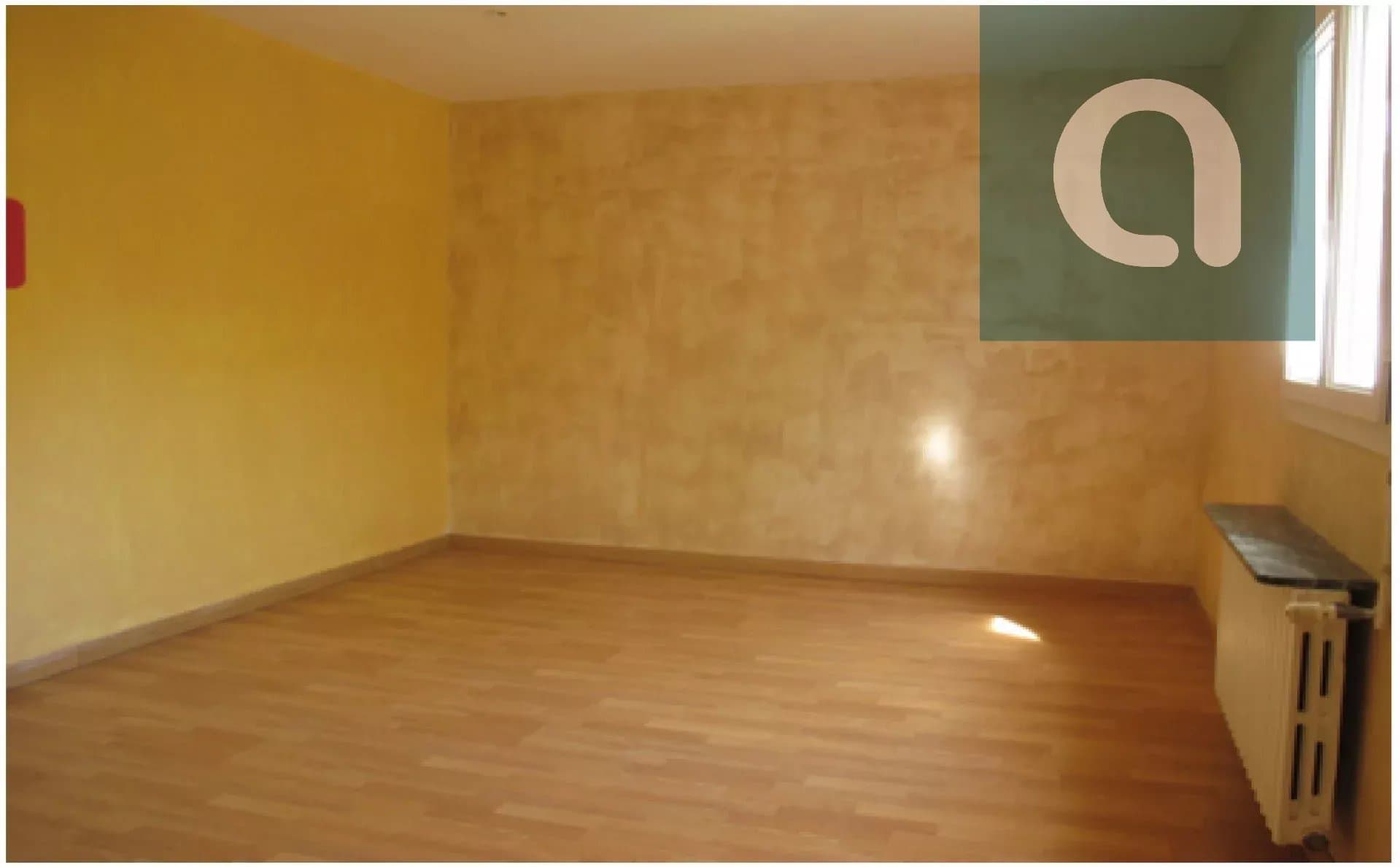
 Photo 1 of 6DPE B
Cannes · Maison
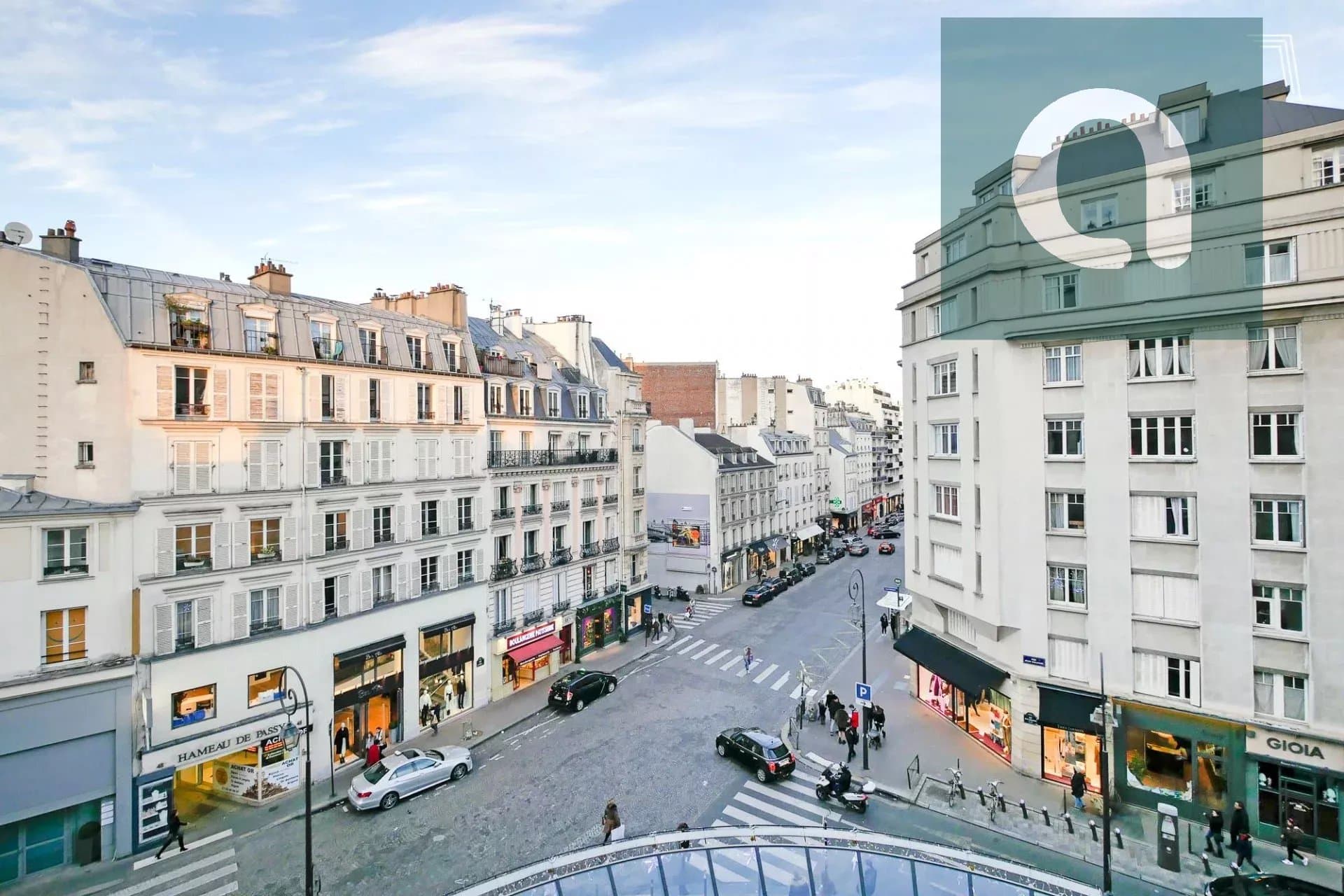
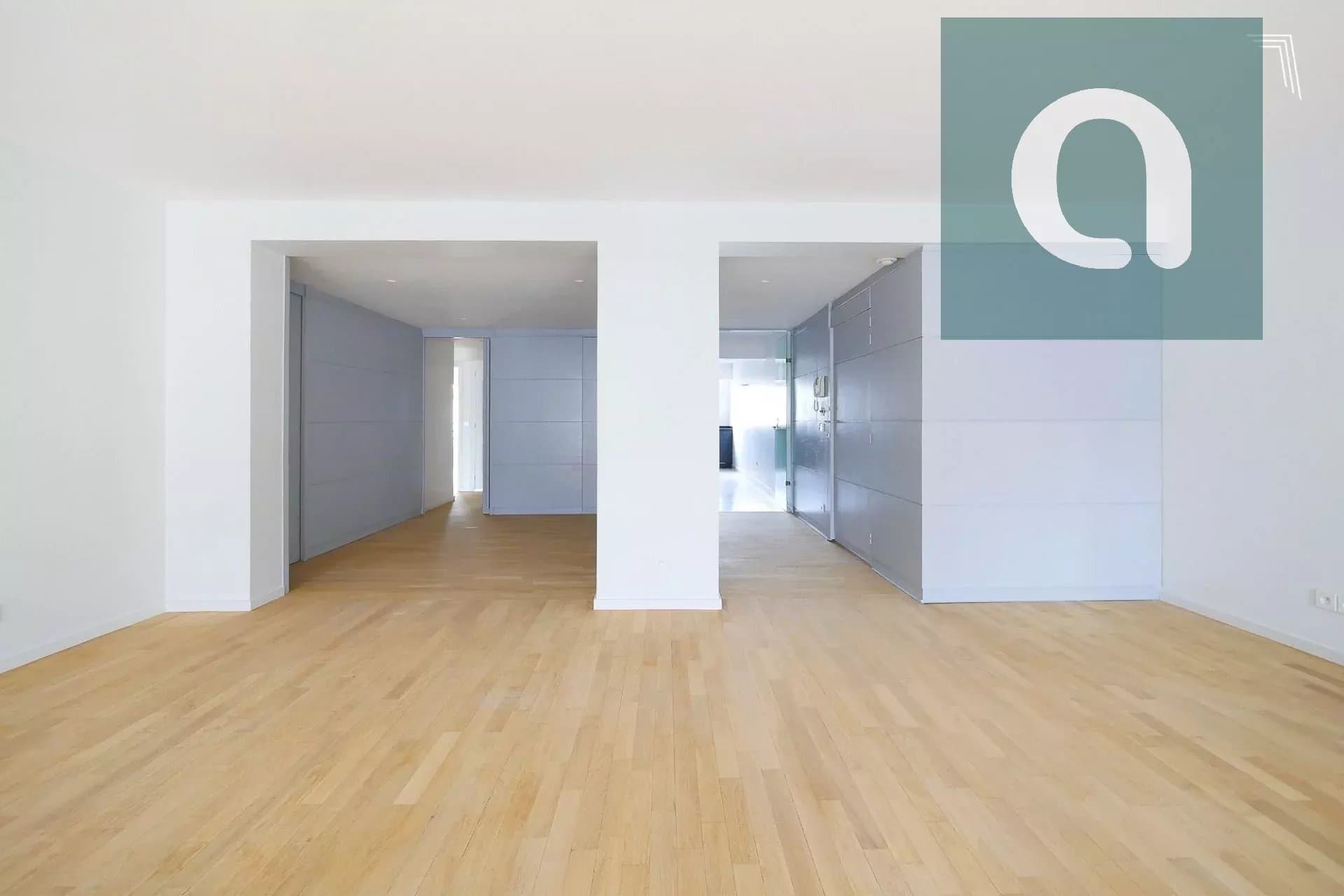
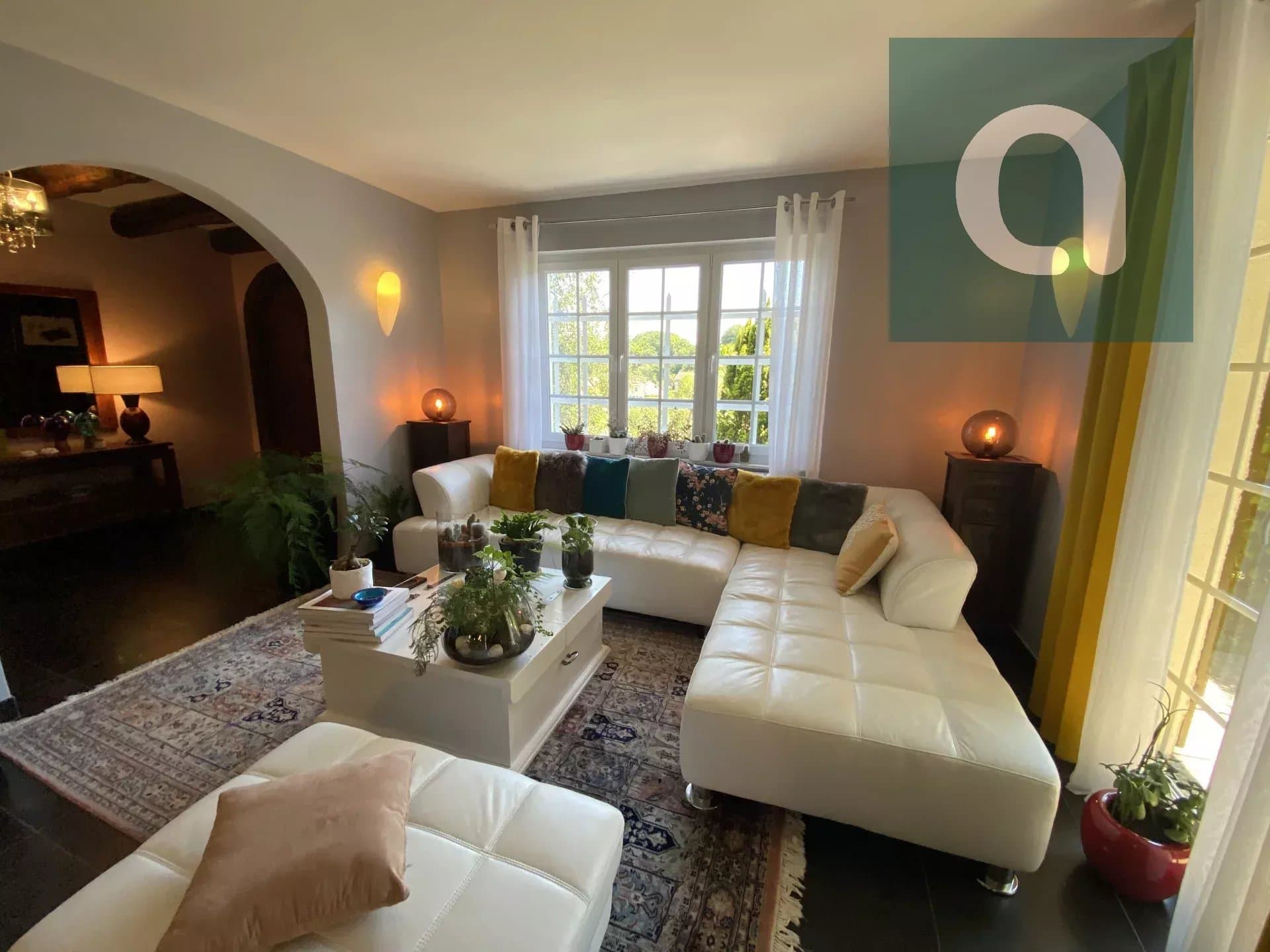
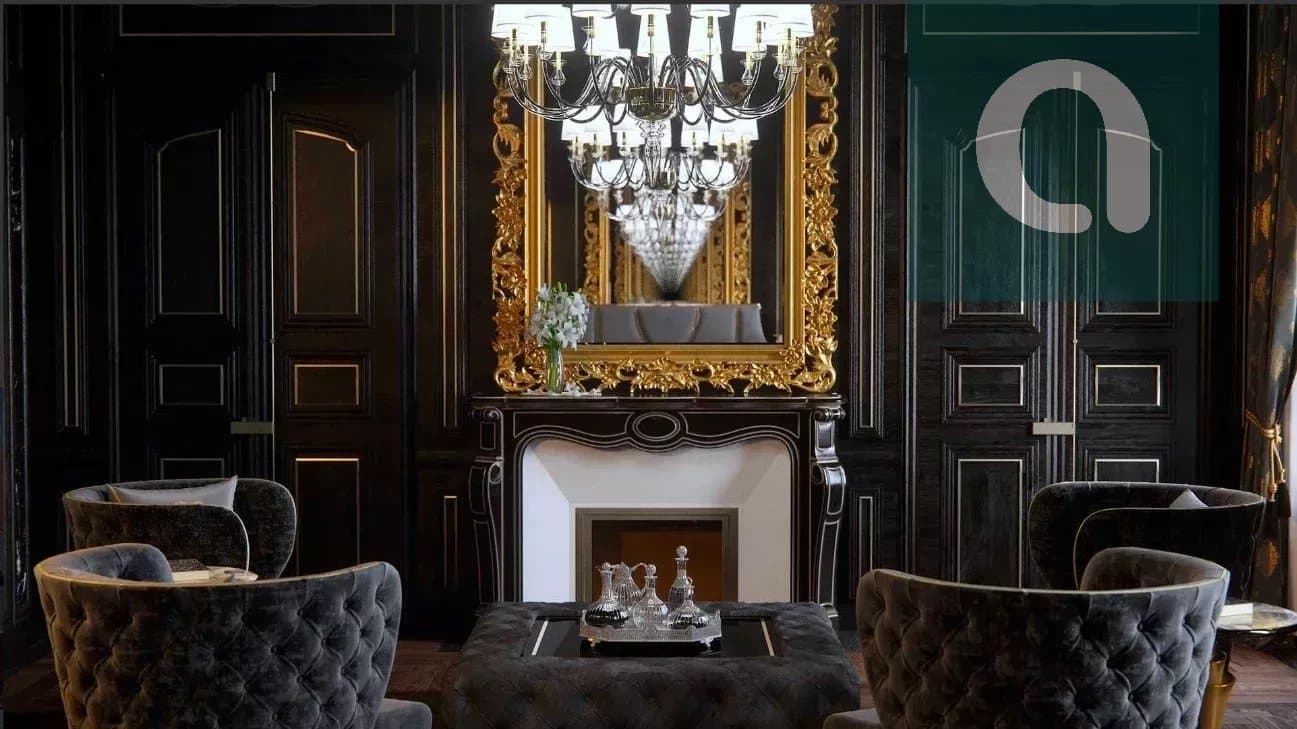
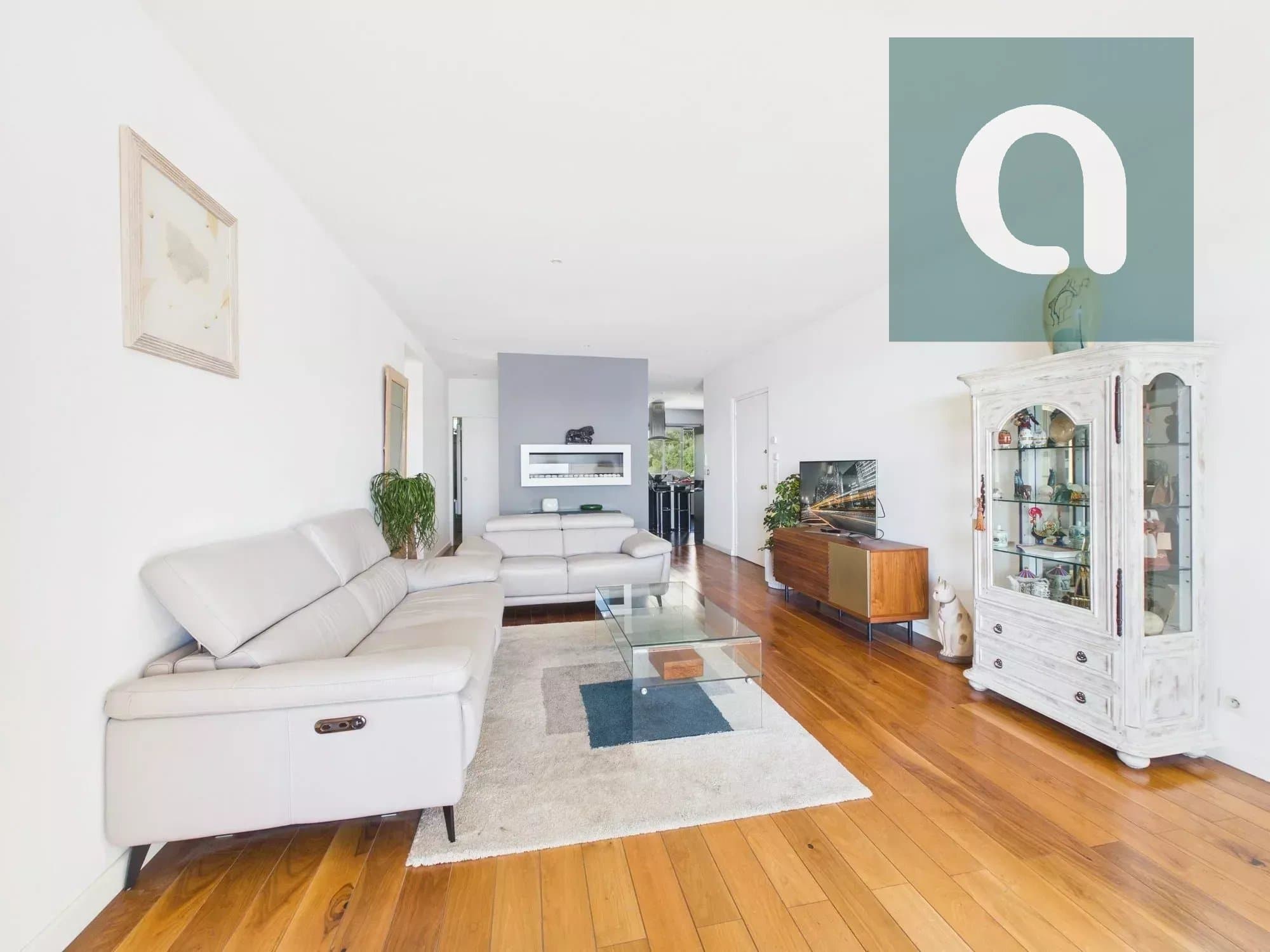
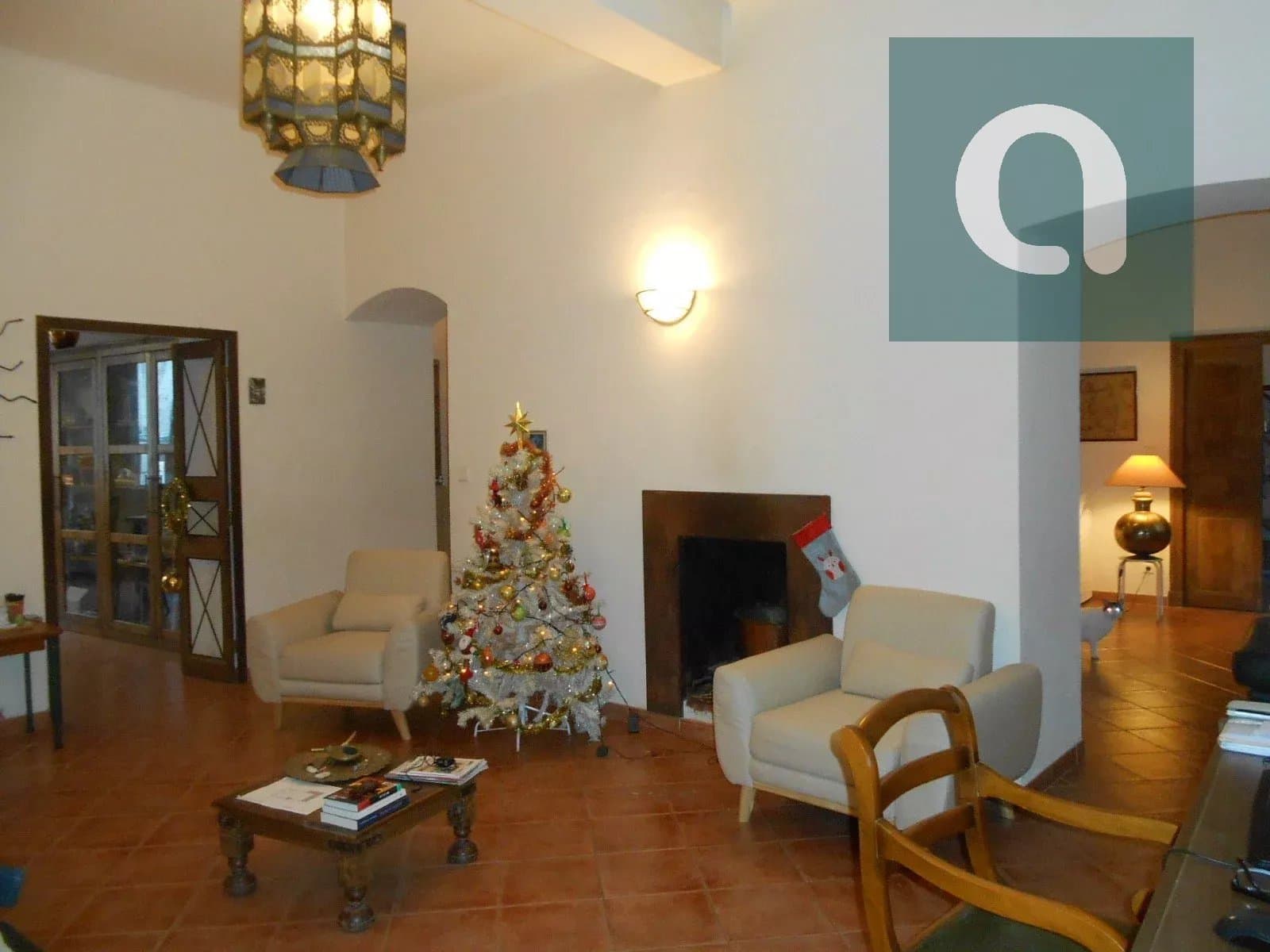
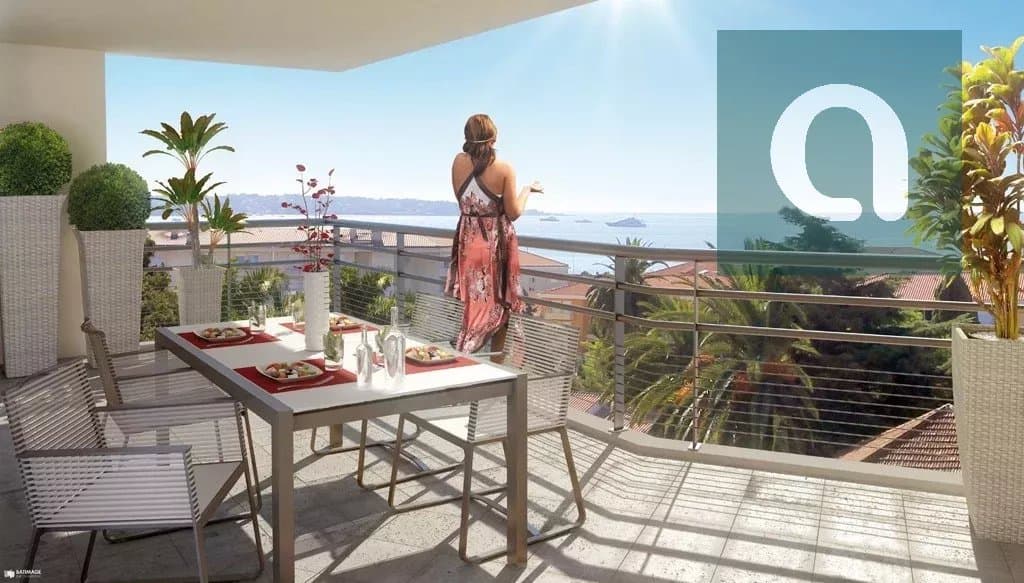
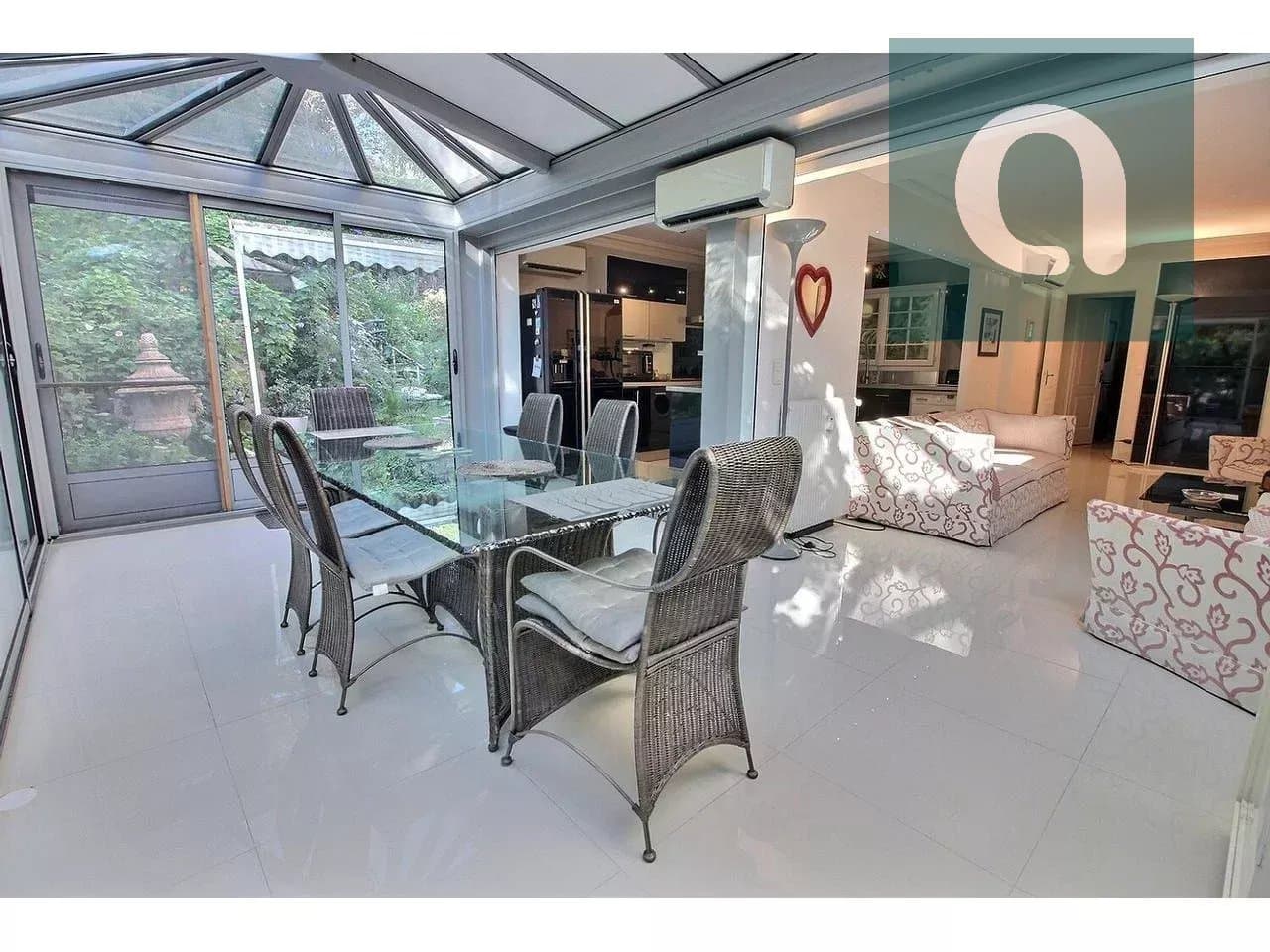
Appartement sur Cannes, grand luxe 6 pièces
180 m² · 6 rooms · 2 bed
Price on request
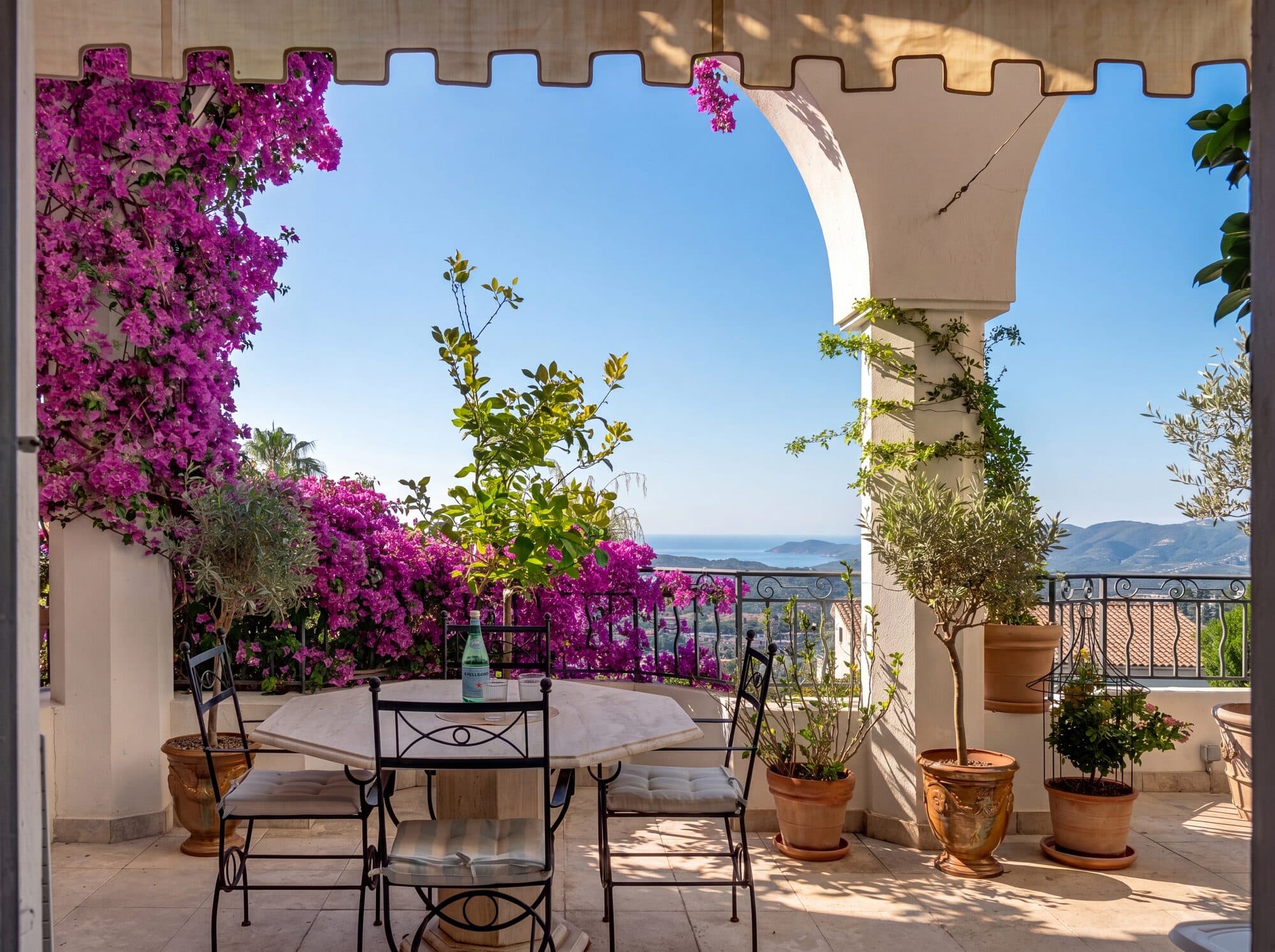
Discover our properties for sale in Mougins, Cannes, Grasse, Vence and the hills behind Nice.
Loading…
Scandinavian rigour
We start by listening. Before any search begins, we want to understand how you will actually use the property, your timeline, your tax and family constraints, and what would make you walk away from a purchase.
We then shortlist a small number of properties and support you through to final signature. When a property is not right for you, we say so, even when it would close a deal.
Buying in France works differently from the UK, the US or Scandinavia. Here are the steps, without the jargon.
You make a written offer at a stated price. Once the seller accepts, both parties are committed to moving towards the preliminary contract.
This preliminary contract sets the price, timeline and conditions. It is usually signed before a notaire, a public officer and not a solicitor acting for either side.
The buyer has ten days from notification of the compromis to withdraw, without reason or penalty. This right belongs to the buyer only.
Mortgage approval, absence of easements, waiver of pre-emption rights: if any agreed condition is not met, the sale is cancelled and the deposit returned.
Often called notaire's fees, these are mostly taxes paid to the State and local authorities. Expect roughly 7–8% of the price on resale property, less on new build.
Final signature typically takes place two to three months after the compromis. Funds pass through the notaire and you receive the keys the same day.
Forsman & Hey is a member of MLS Côte d'Azur, a network of professionals working in close cooperation. In practice, we can show you and arrange viewings of properties marketed by our partner agencies.
You gain access to a far broader choice without dealing with multiple agents or repeating the same conversations.

Yes. France places no nationality or residence condition on buying property. A foreign buyer, resident or not, buys on the same terms as a French resident and signs before the same notaire. The differences lie in financing, taxation and identity formalities, which we set out at the first conversation.
It is not a legal requirement: funds can be transferred from a foreign bank to the notaire's account. A French account is useful afterwards, for service charges, local taxes, utilities and upkeep. We can point you to a bank used to dealing with non-resident clients where that helps.
Yes, several French banks lend to non-residents, generally against a larger deposit and a more documented file than for a resident. A broker saves time here: they know which banks genuinely handle these files, and on what terms. We have worked with Cafpi for around ten years and can make the introduction.
Usually two to three months between the preliminary contract and the final deed. That period covers the buyer's cooling-off period, the mortgage offer where a condition provides for it, and the notaire's searches on planning, easements and pre-emption rights. Keys are handed over on the day of completion.
Taxe foncière is payable by every owner. Taxe d'habitation still applies to second homes, and coastal communes under housing pressure may levy a surcharge. Above a threshold of net property wealth, the impôt sur la fortune immobilière also applies. Non-residents are additionally governed by the tax treaty between France and their country of residence: where the stakes justify it, we point you to a tax adviser before you commit.
A first conversation, with no obligation, helps frame your project and assess how realistic it is in the current market.
Get in touch36 properties
Photo 1 of 6DPE BCannes · Maison
180 m² · 6 rooms · 2 bed
Price on request
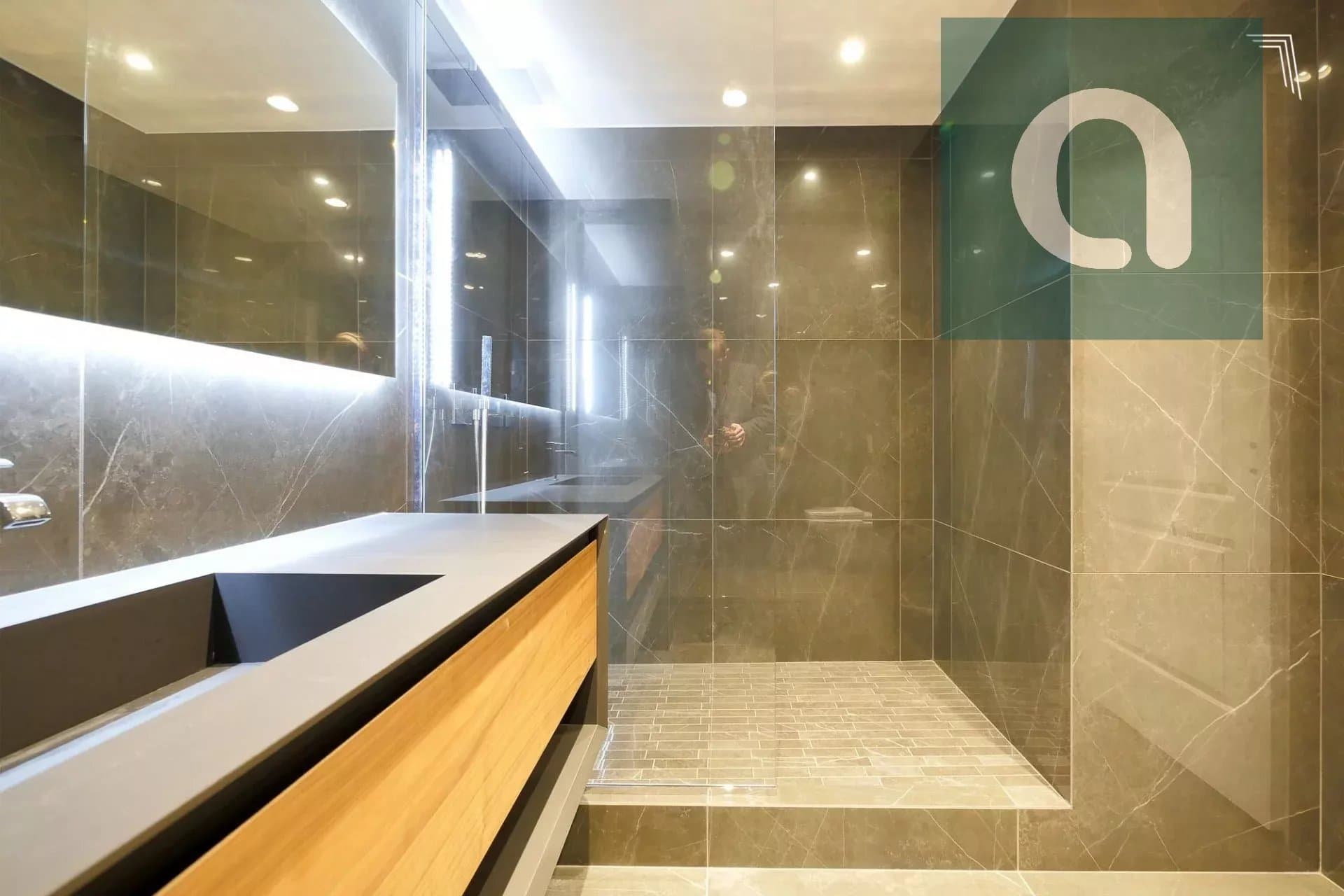 Photo 1 of 6DPE A
Cannes · Appartement
64 m² · 5 rooms · 3 bed · 80 m² land
Price on request
Valuation
Thinking of selling your property?
Request a valuation
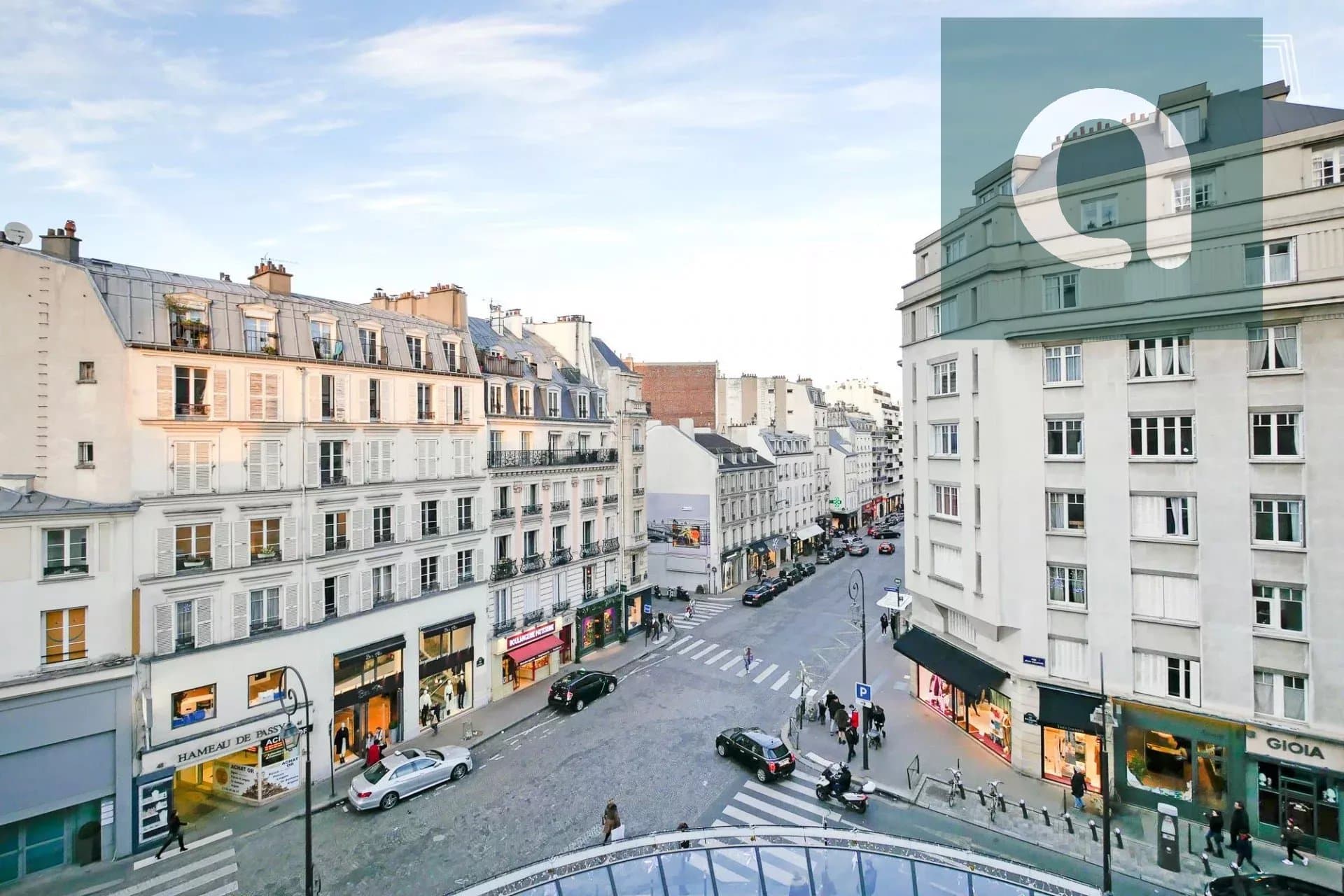 Photo 1 of 6DPE B
Cannes · Maison
100 m² · 10 rooms · 4 bed · 100 m² land
€5,793,034
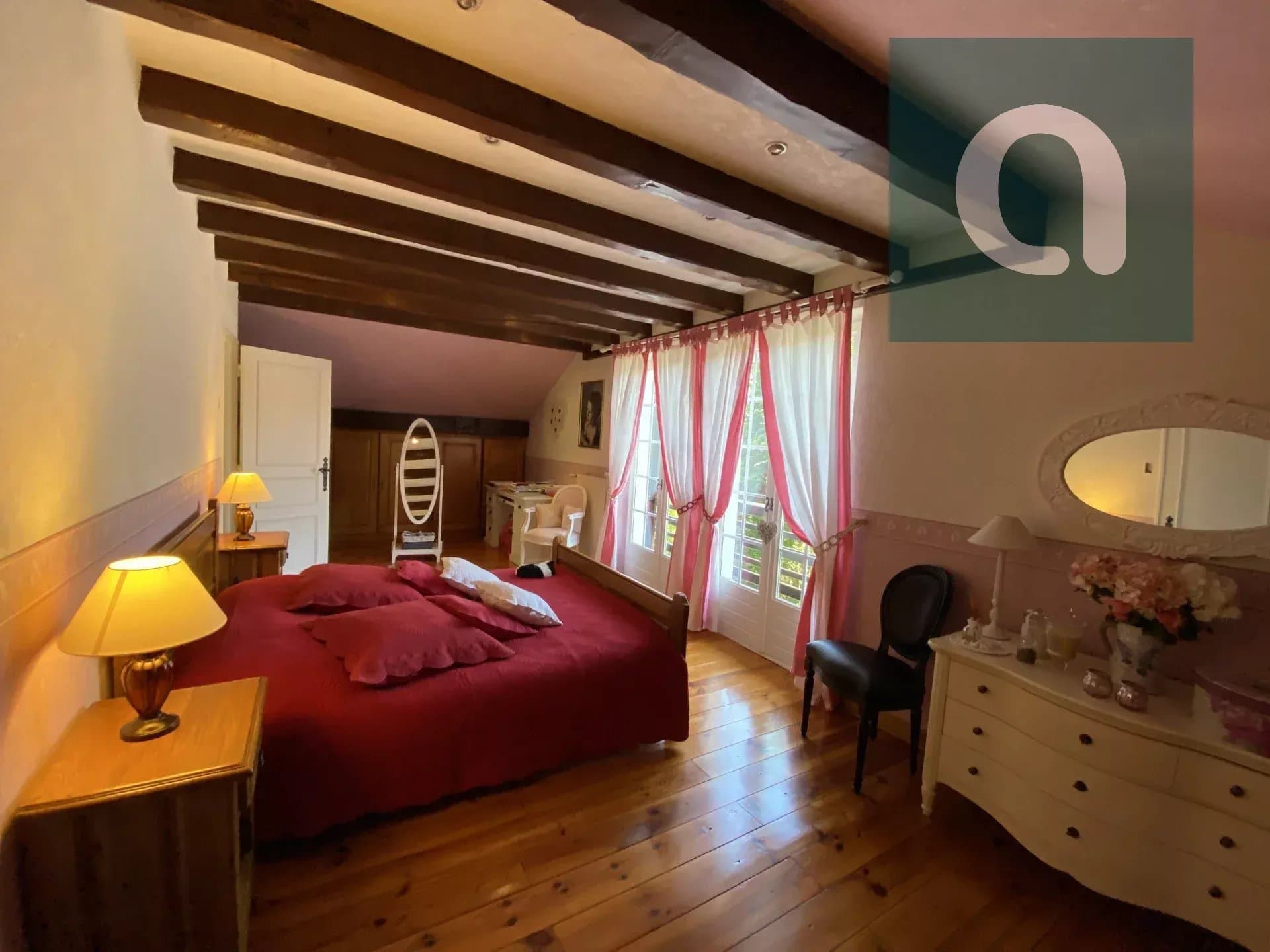 Photo 1 of 4DPE G
Uccle · Appartement
€1,465,000
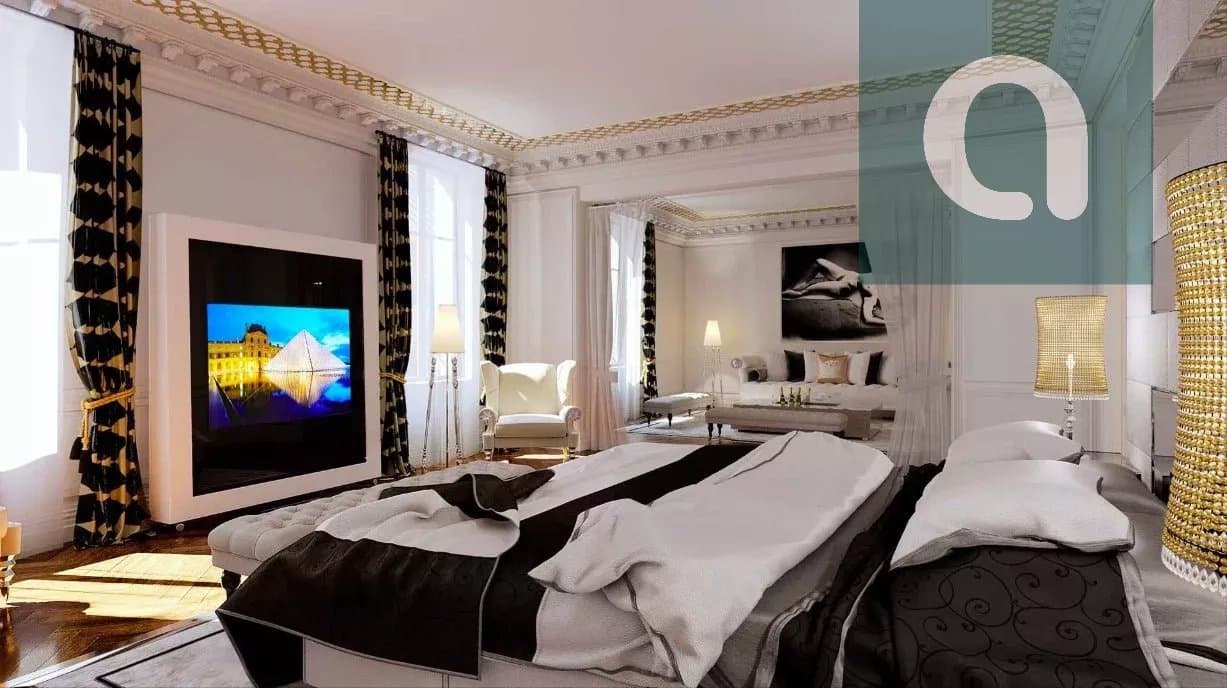 Photo 1 of 6DPE E
Cannes · Appartement
12 m² · 2 rooms · 5 bed · 120 m² land
€1,050,000
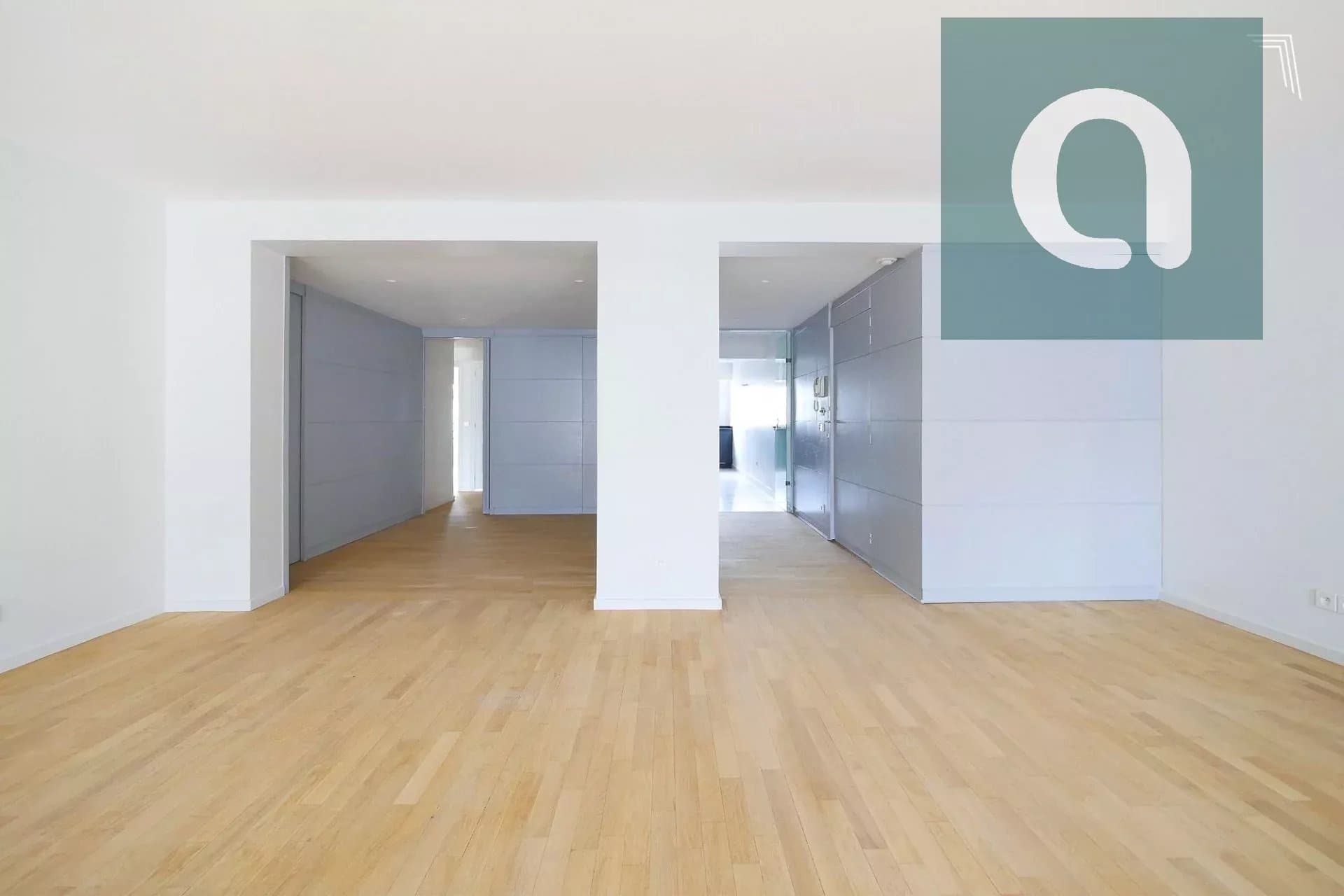 Photo 1 of 6DPE C
Cannes · Appartement
€1,006,000
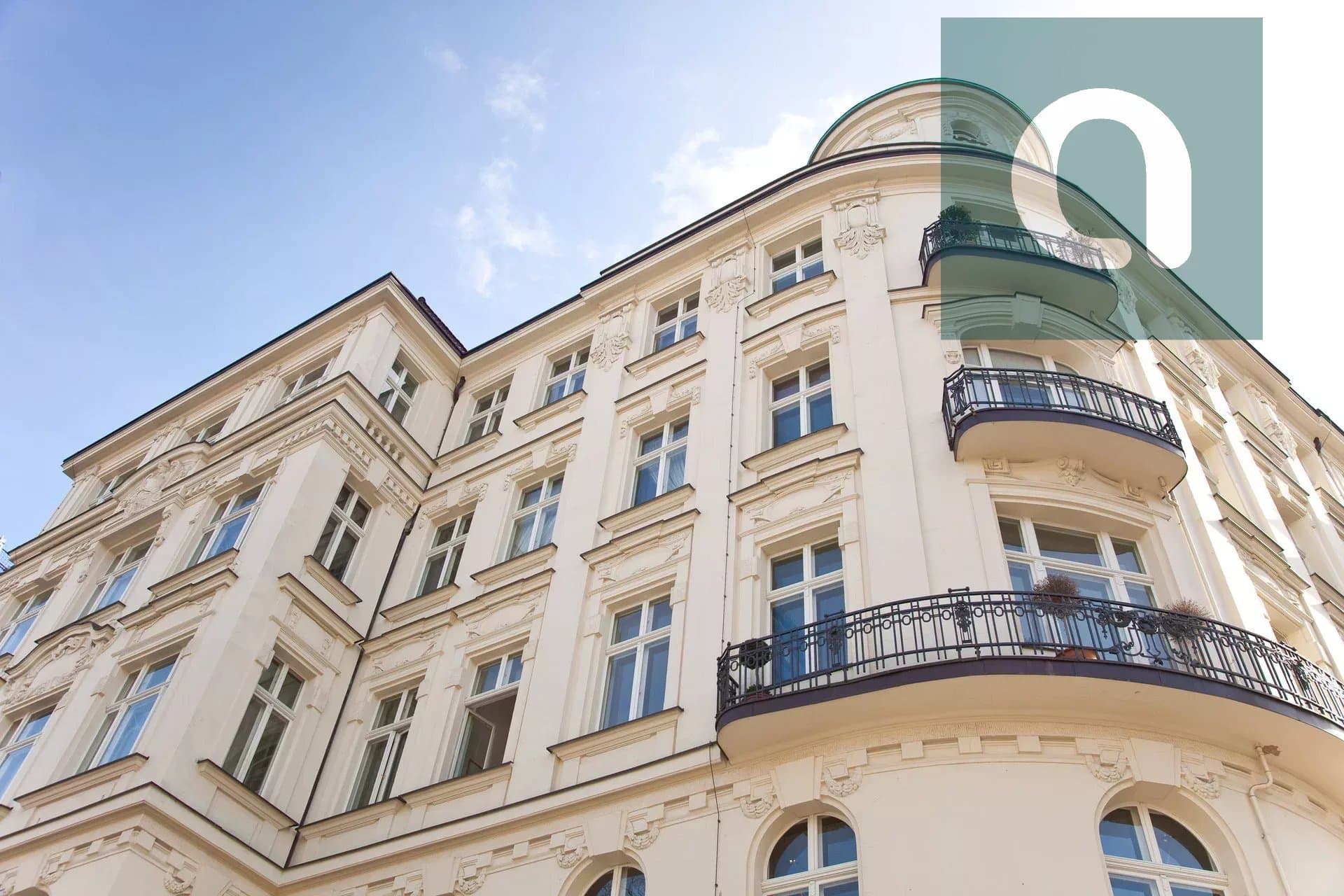 Photo 1 of 3DPE A
Cannes · Appartement
200 m² · 6 rooms · 3 bed
€1,000,000
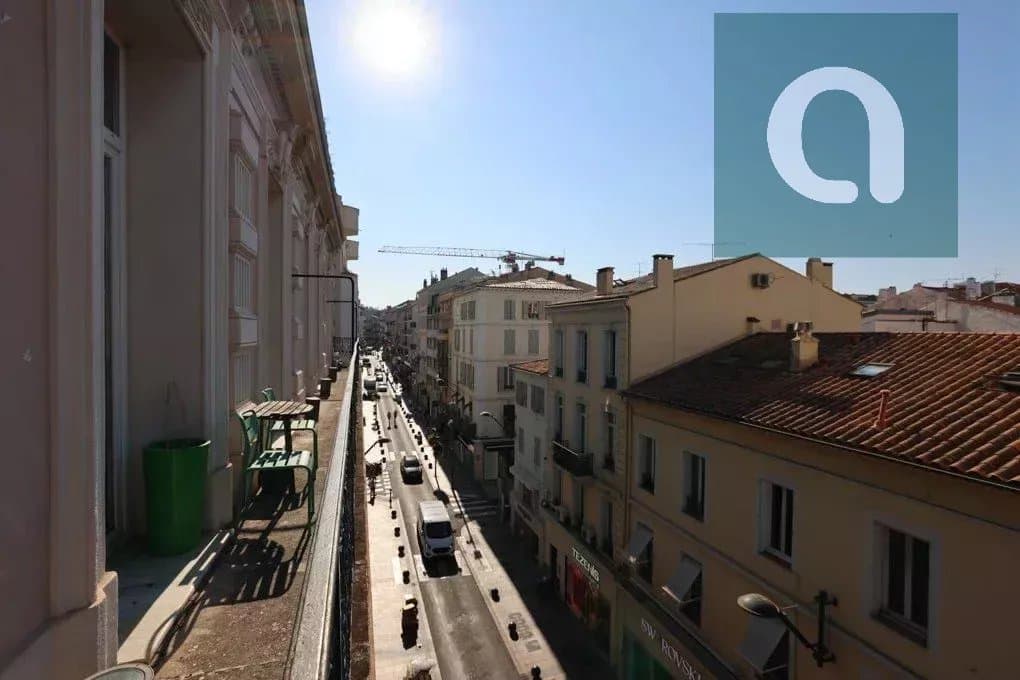 Photo 1 of 6DPE B
Cannes · Maison
290 m² · 12 rooms · 3 bed
€899,000
Photo 1 of 6DPE BCannes · Maison
290 m² · 12 rooms · 3 bed
€899,000
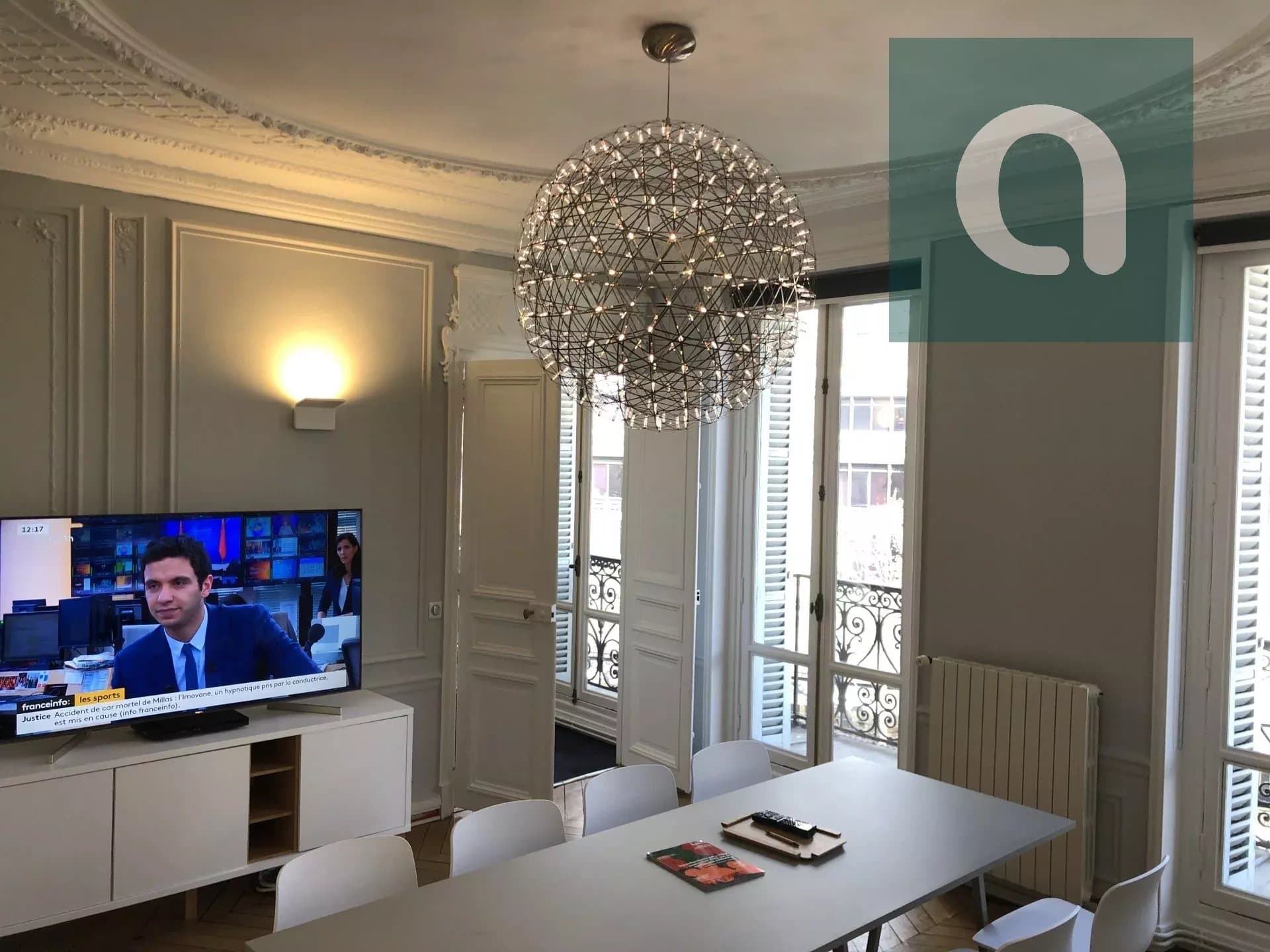 Photo 1 of 4DPE E
Paris 18ème · Appartement
140 m² · 4 rooms · 2 bed · 155 m² land
€890,000
Photo 1 of 4DPE EParis 18ème · Appartement
140 m² · 4 rooms · 2 bed · 155 m² land
€890,000
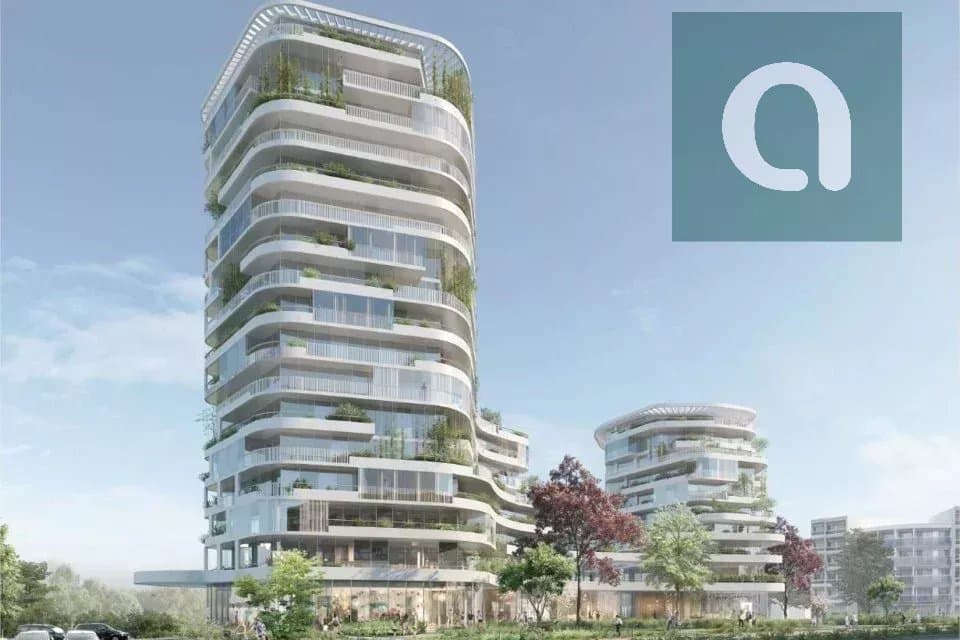 DPE E
DPE ELyon 3ème · Immeuble
450 m² · 30 rooms
€777,000
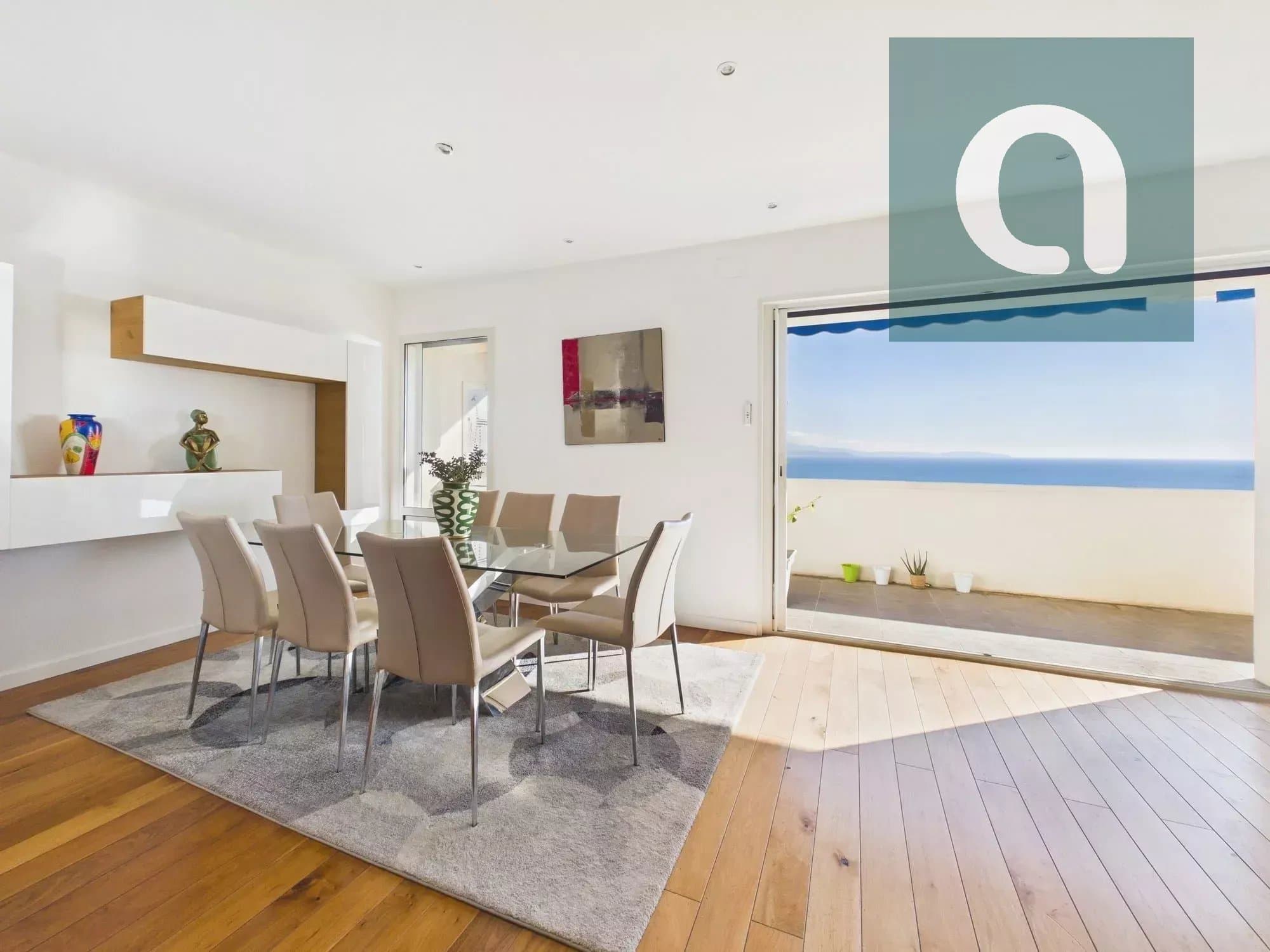 Photo 1 of 6DPE E
Phalempin · Appartement
210 m² · 6 rooms · 3 bed
€728,000
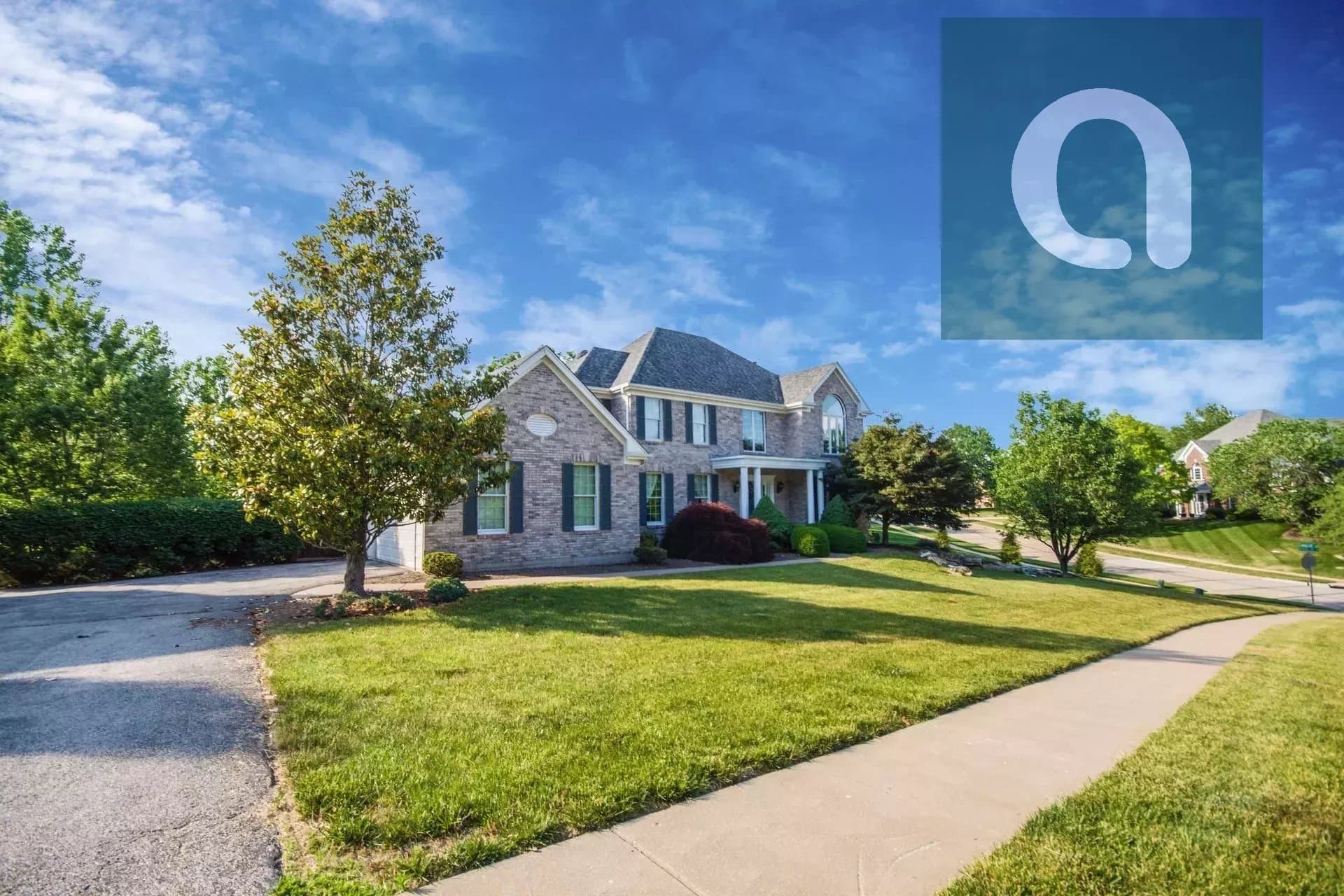 Photo 1 of 6DPE E
Annecy · Immeuble
150 m² · 4 rooms · 3 bed · 120 m² land
€424,000
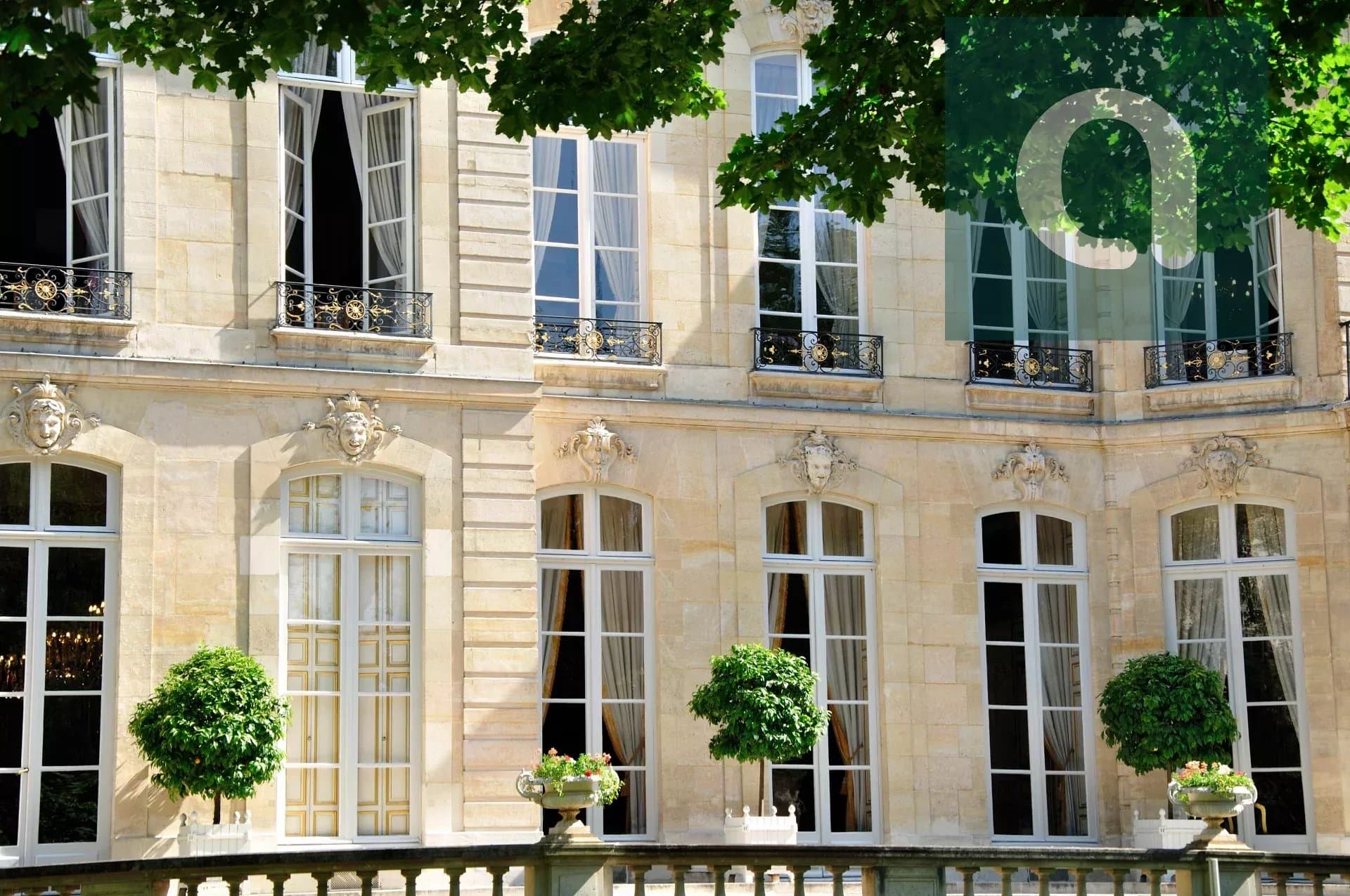 DPE C
DPE CParis 5ème · Appartement
2 rooms · 90 m² land
€400,000
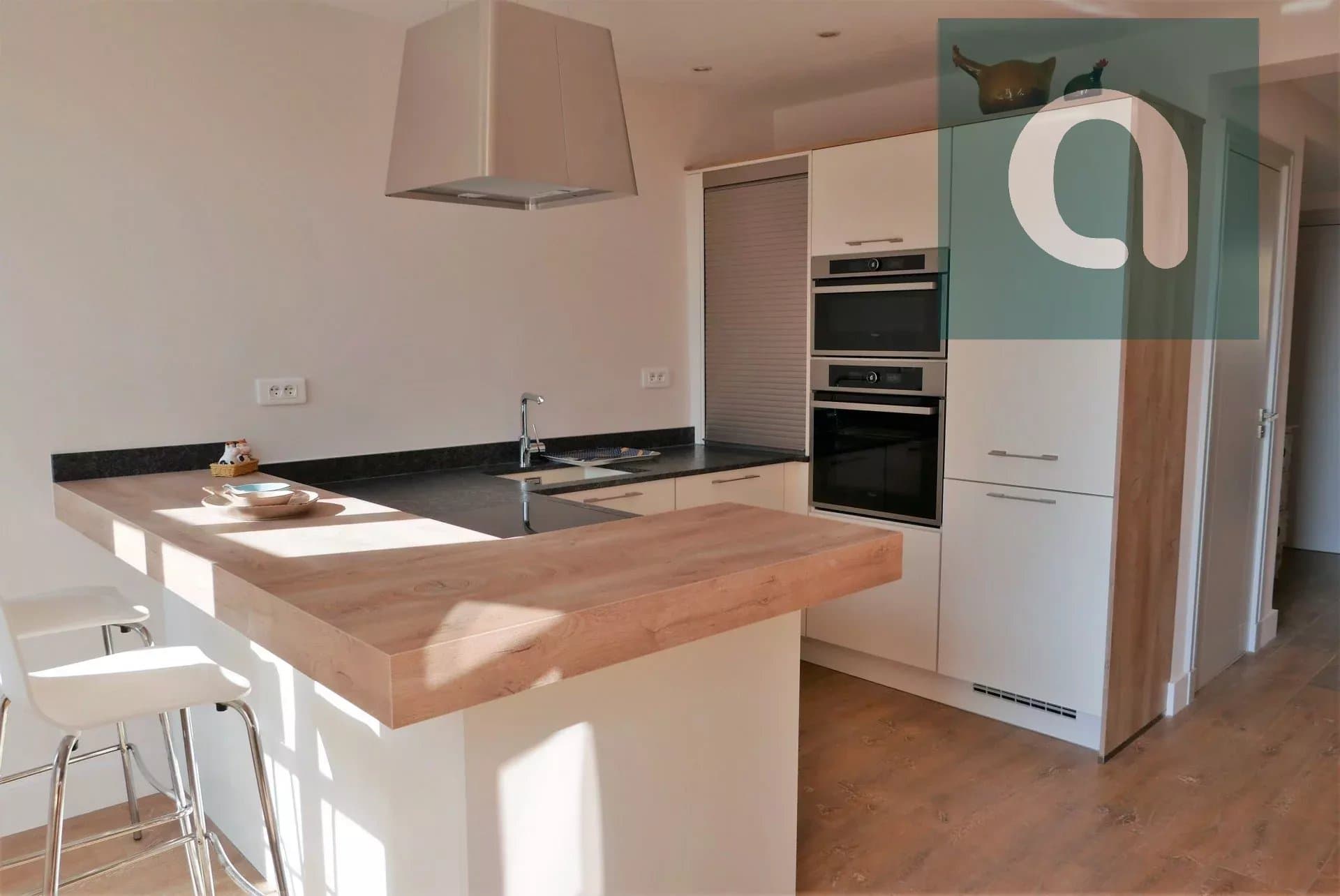 Photo 1 of 6DPE C
Champigny-sur-Marne · Appartement
51 m² · 2 rooms · 60 m² land
€395,000
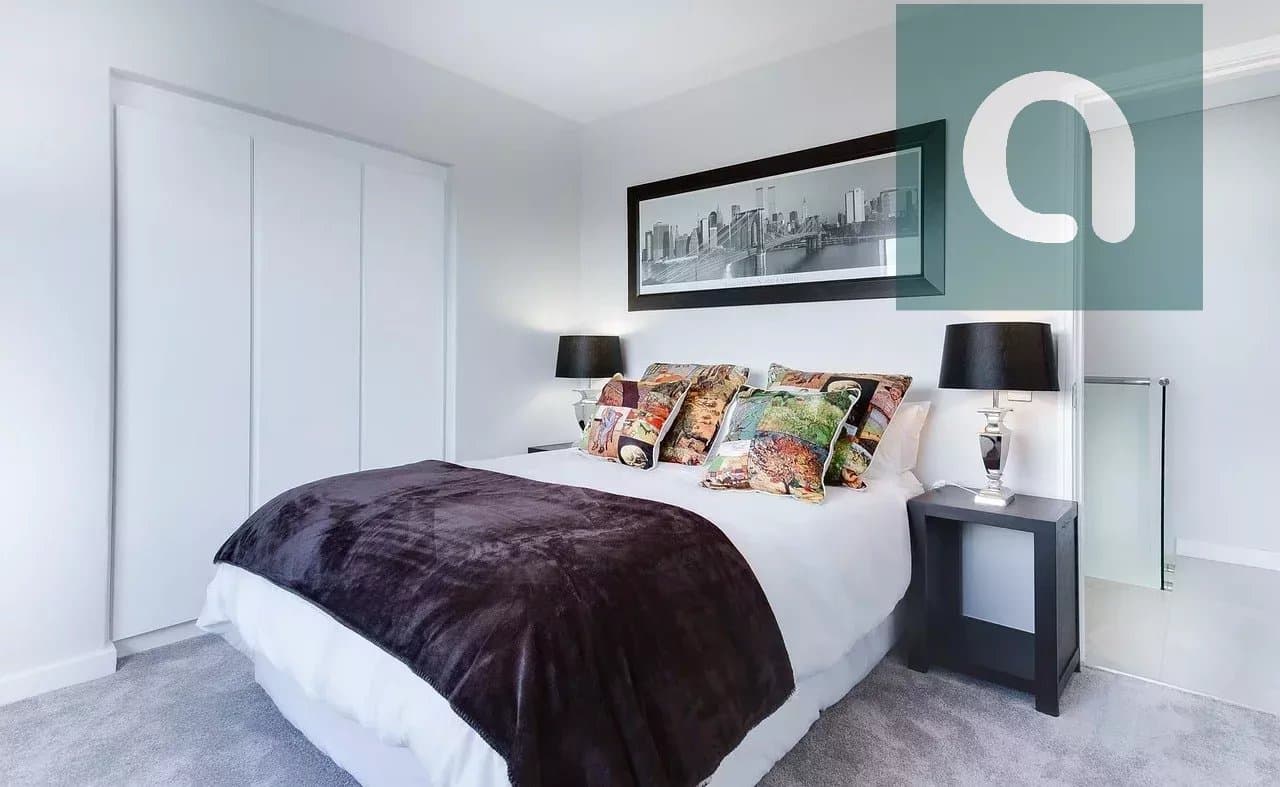 Photo 1 of 6DPE E
Cannes · Appartement
64 m² · 3 rooms · 2 bed · 72 m² land
€380,000
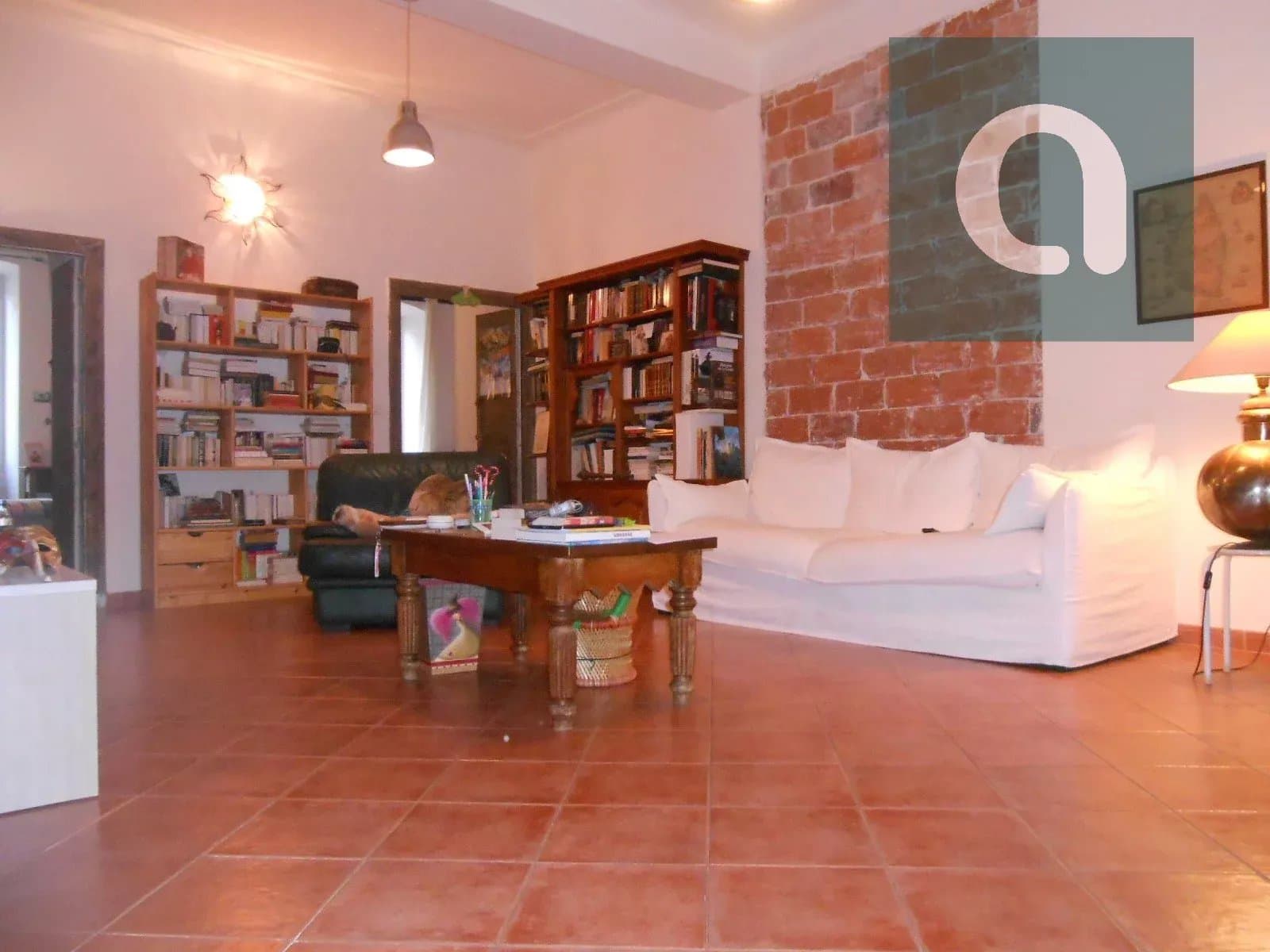 Photo 1 of 3DPE C
Bastia · Appartement
4 rooms · 127 m² land
€354,000
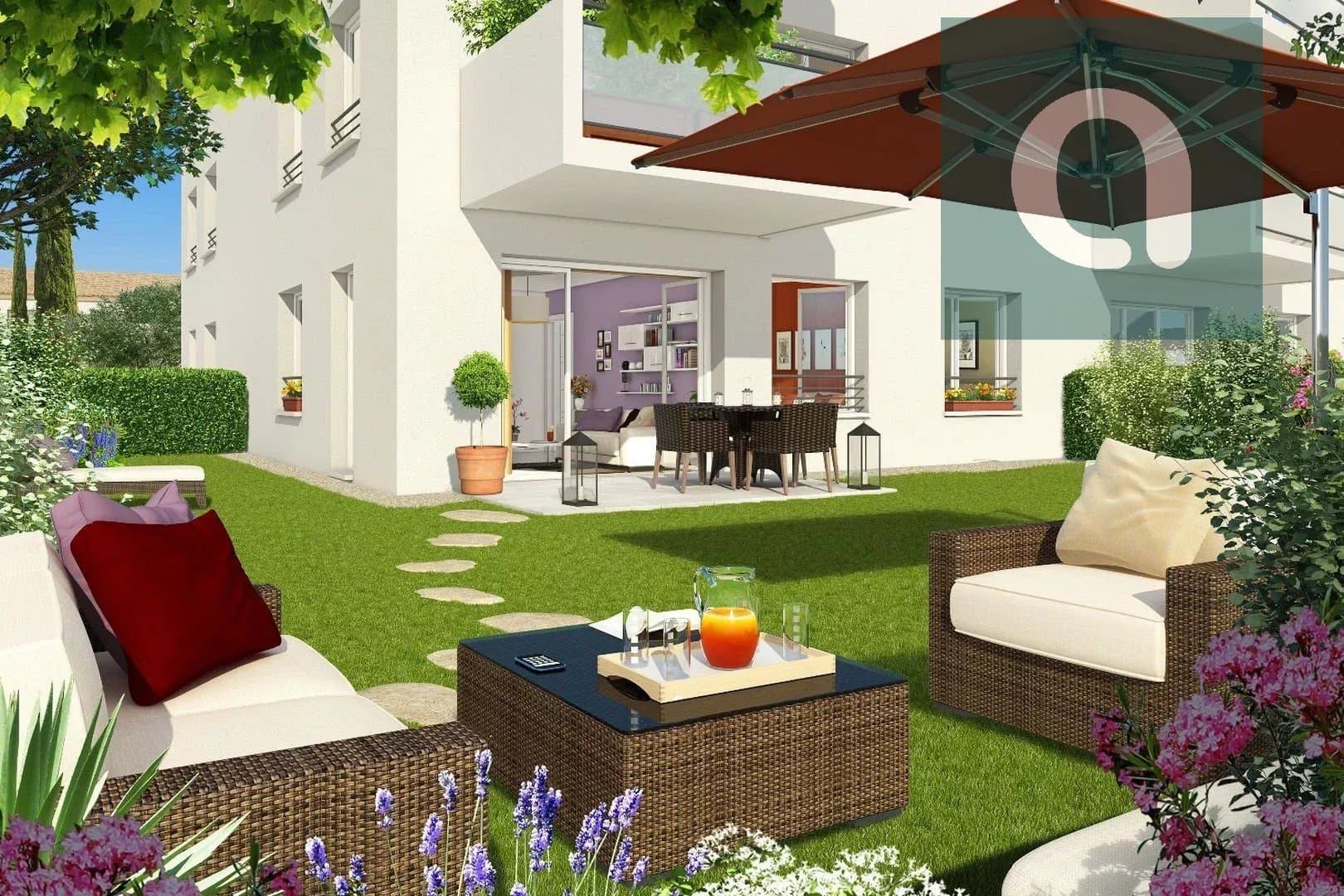 Photo 1 of 6DPE B
Nice · Appartement
€352,000
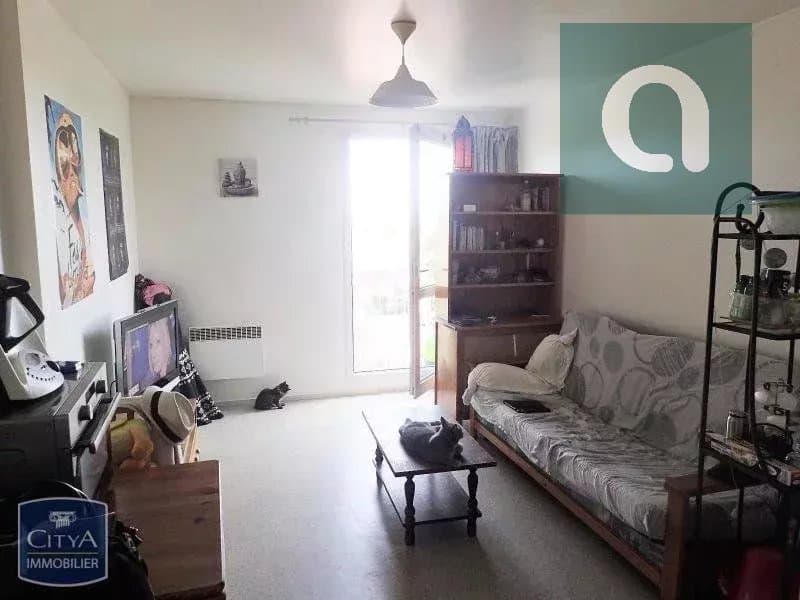 Photo 1 of 6DPE A
Nice · Maison
63 m² · 3 rooms · 1 bed · 62 m² land
€345,280
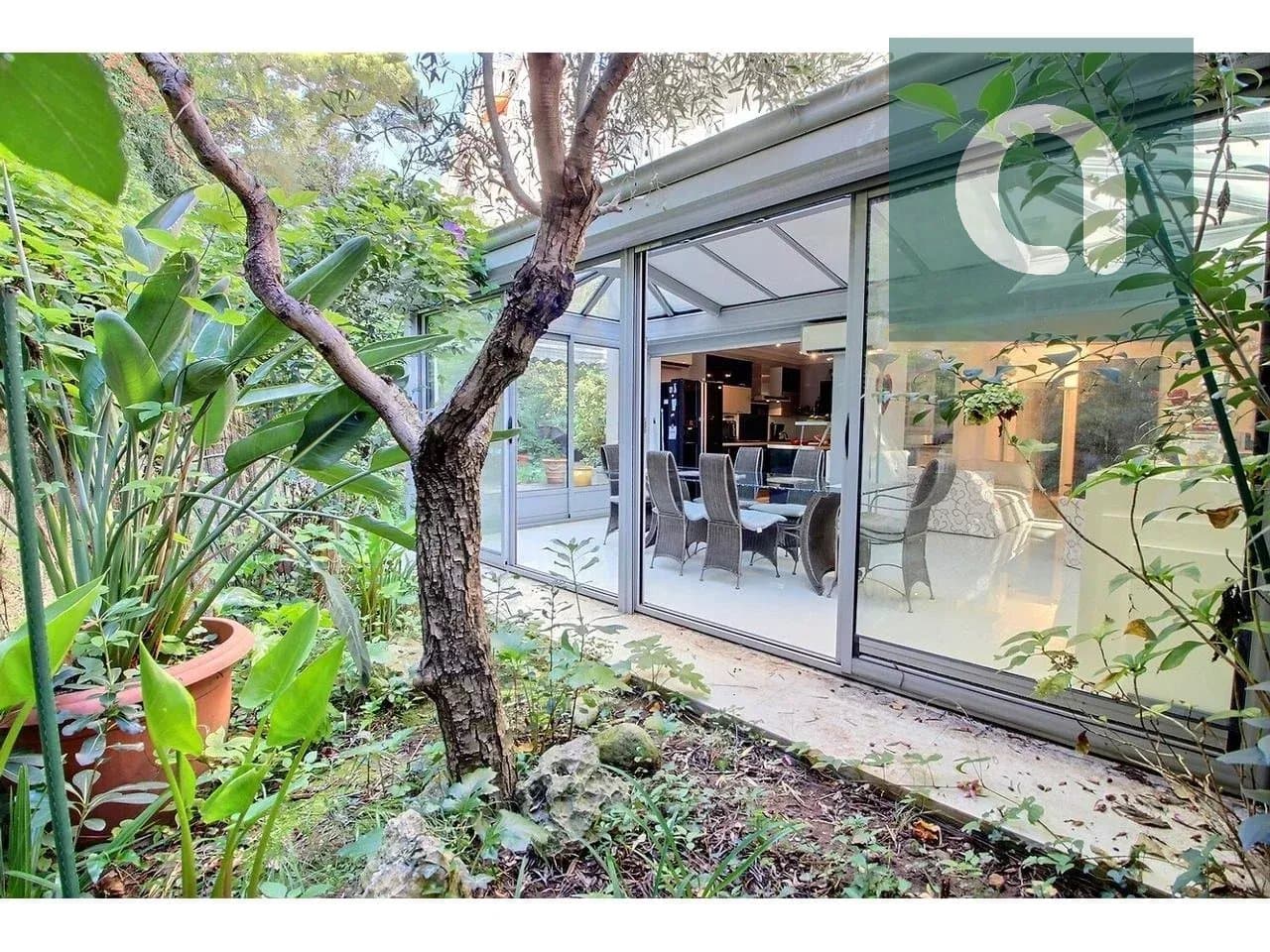 Photo 1 of 6DPE D
Cannes · Bateau
81 m² · 2 bed
€328,000
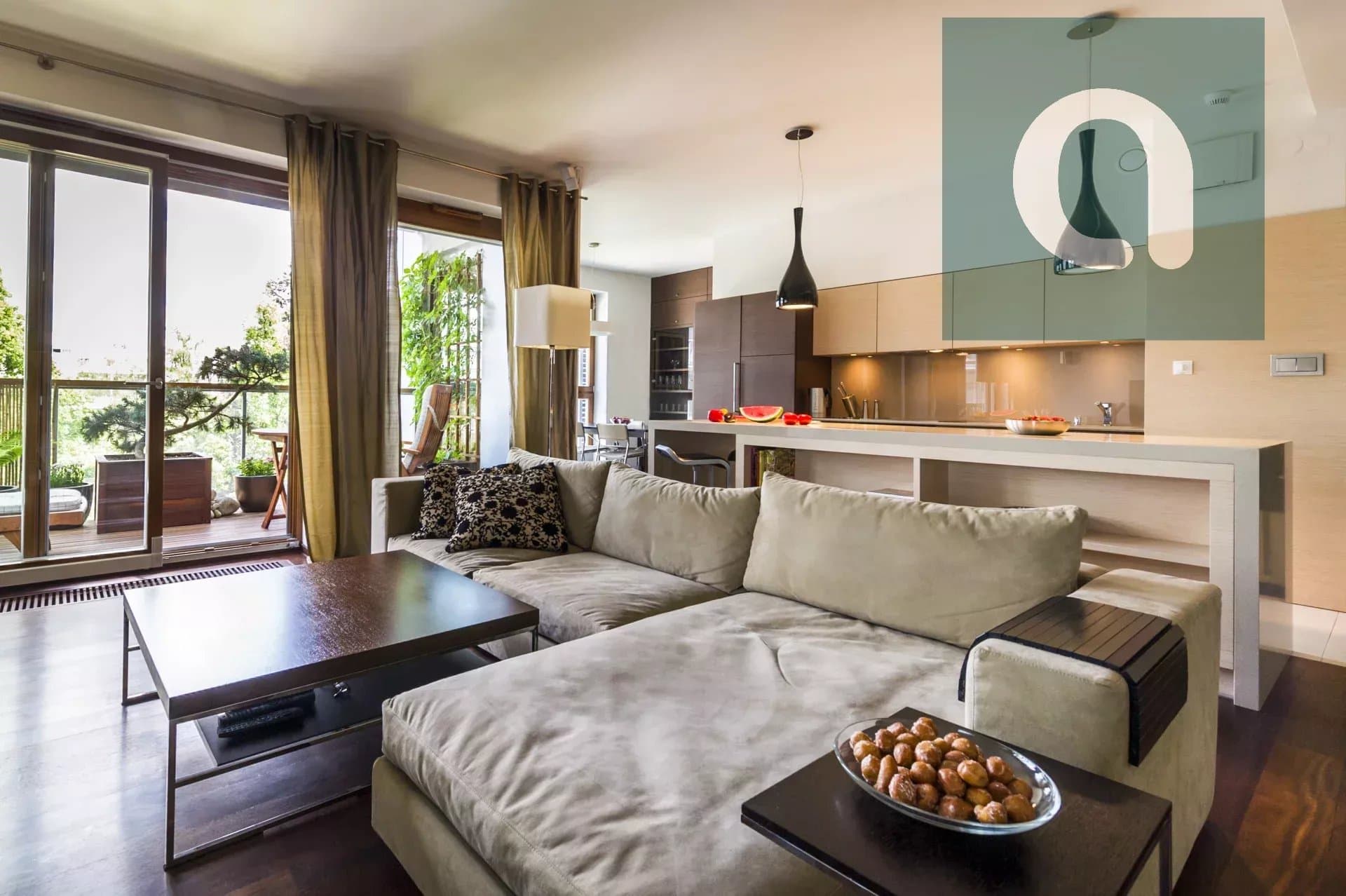 Photo 1 of 4DPE C
Cannes · Appartement
70 m² · 3 rooms · 2 bed · 72 m² land
€325,500
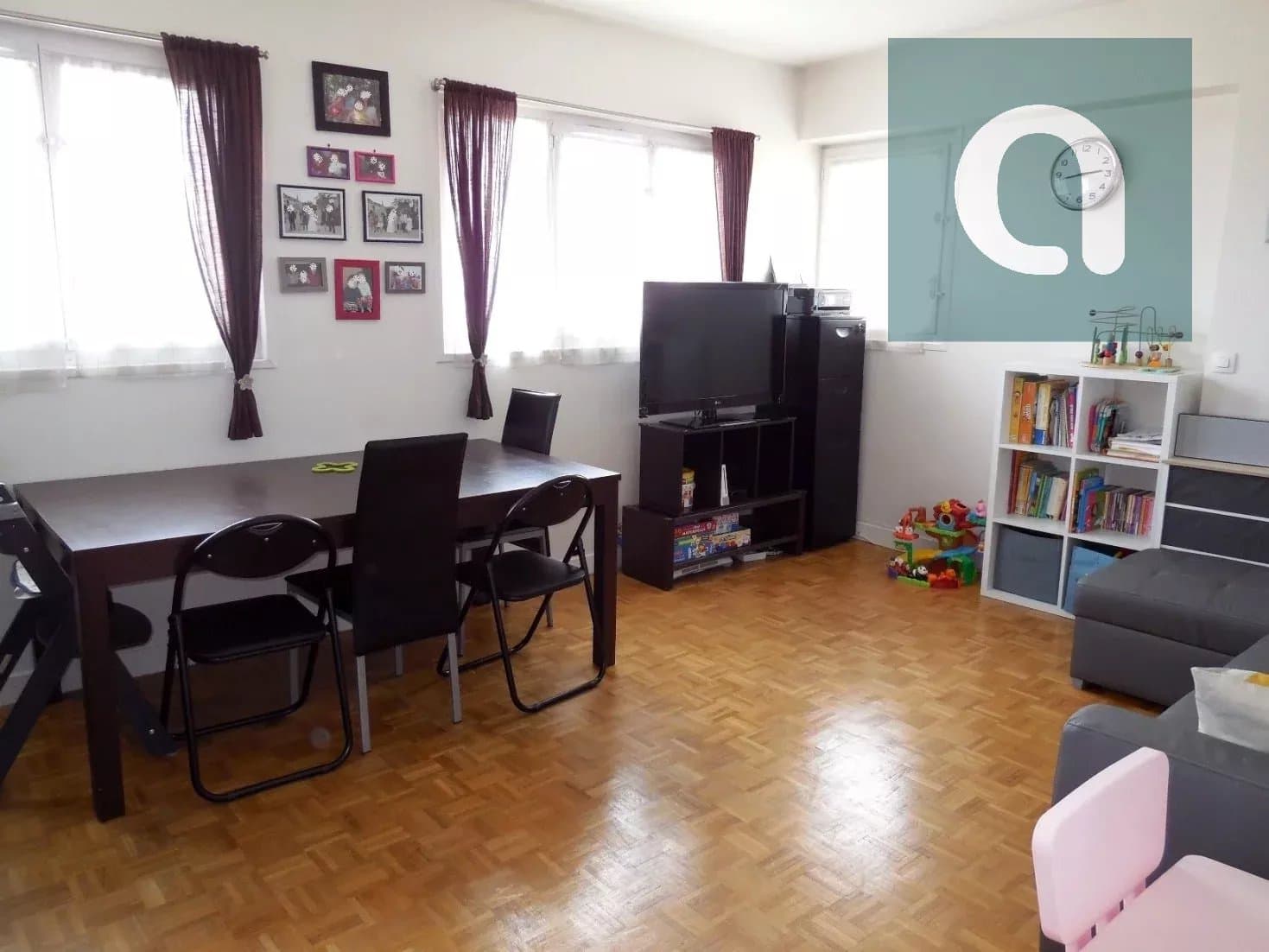 Photo 1 of 6DPE D
Clamart · Appartement
60 m² · 3 rooms · 2 bed · 60 m² land
€319,000
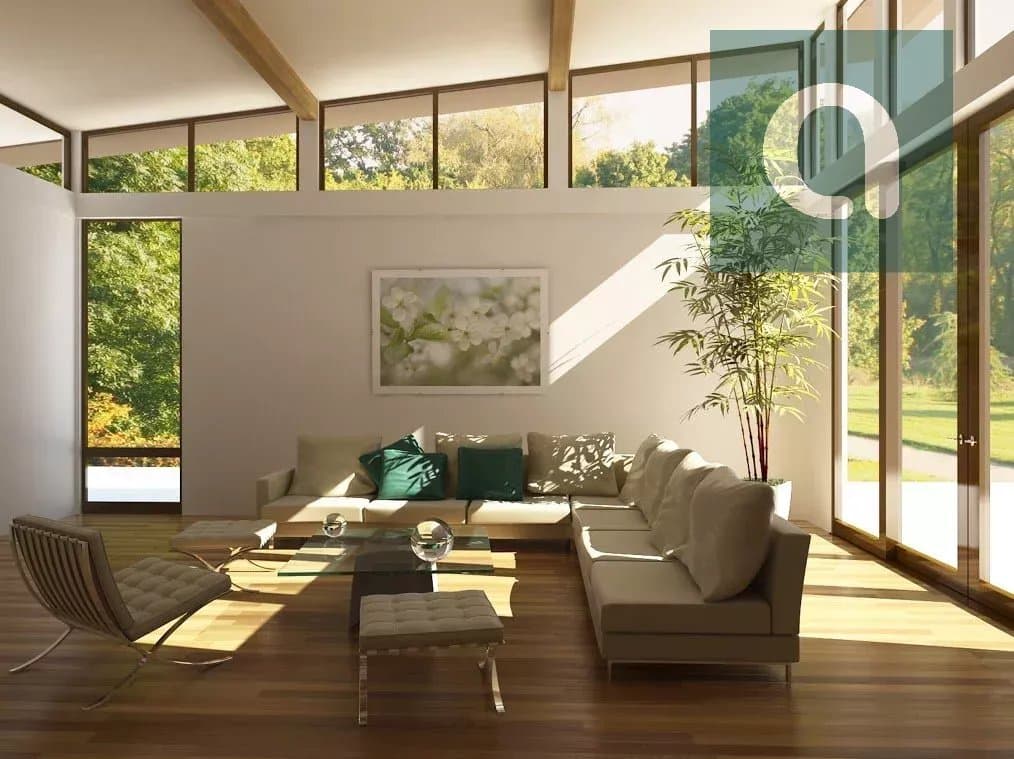 Photo 1 of 6DPE A
Toulouse · Appartement
90 m² · 4 rooms · 2 bed
€304,500
Photo 1 of 6DPE GToulouse · Appartement
90 m² · 4 rooms · 2 bed
€304,500
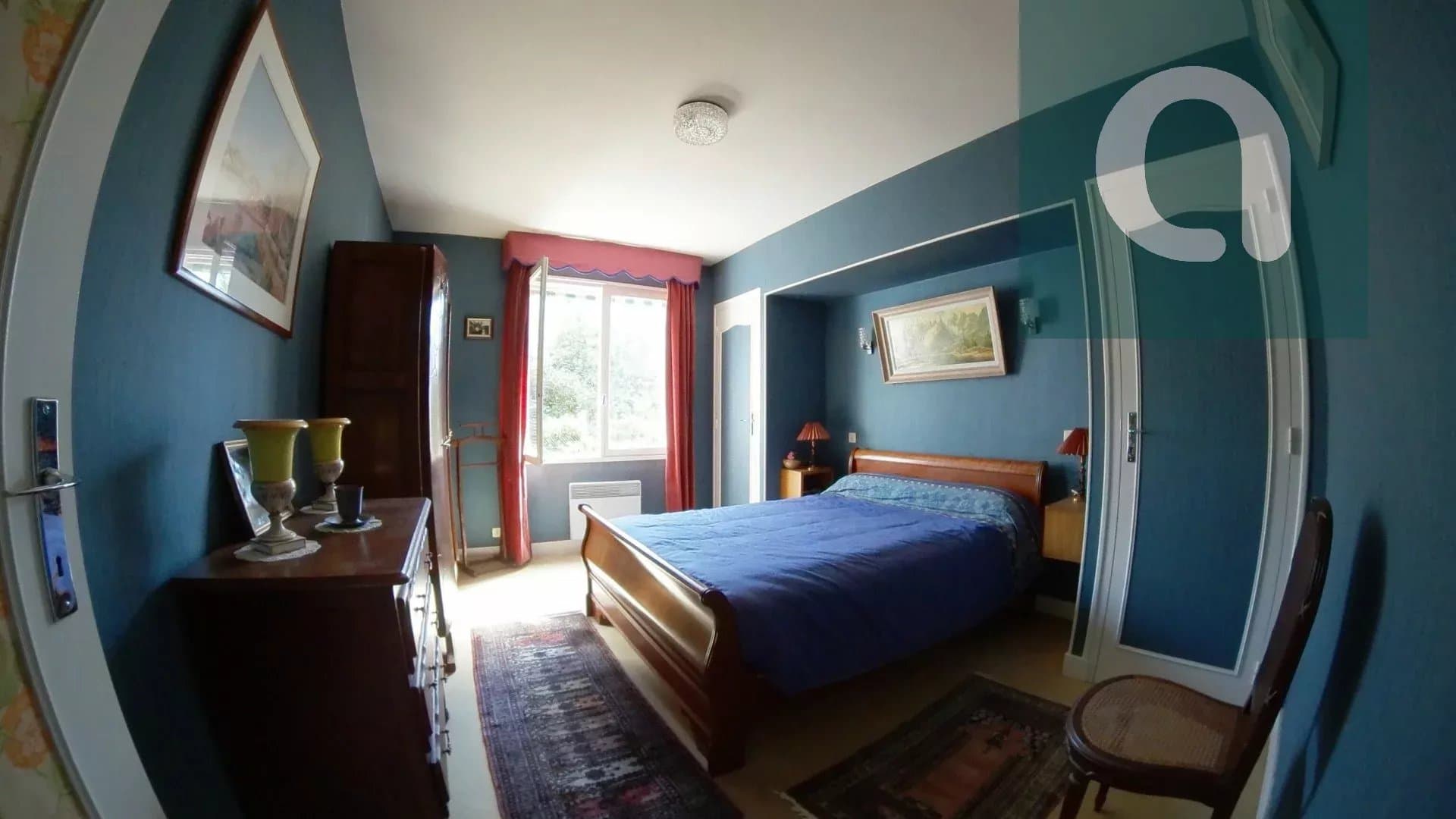 Photo 1 of 4DPE F
Erdeven · Maison
102 m² · 5 rooms · 1 bed
€273,500
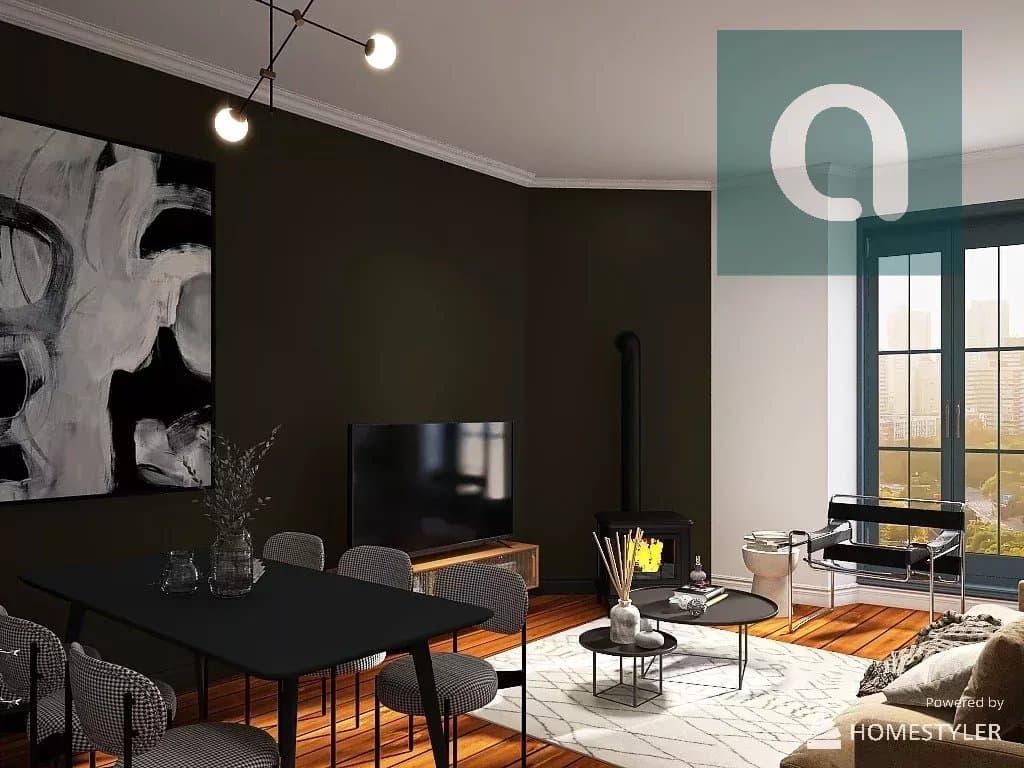 Photo 1 of 6DPE F
Bordeaux · Appartement
67 m² · 3 rooms
€265,000
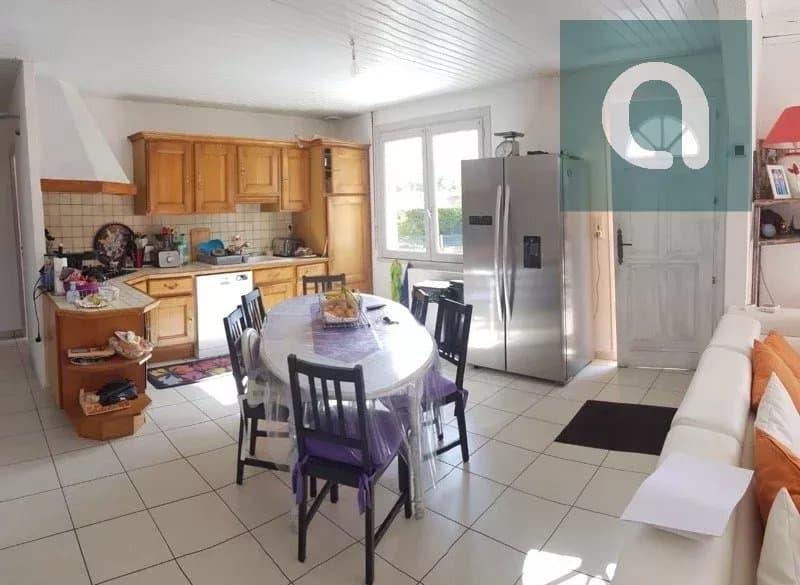 Photo 1 of 2DPE D
Beaufort · Maison
100 m² · 5 rooms · 3 bed · 200 m² land
€250,800
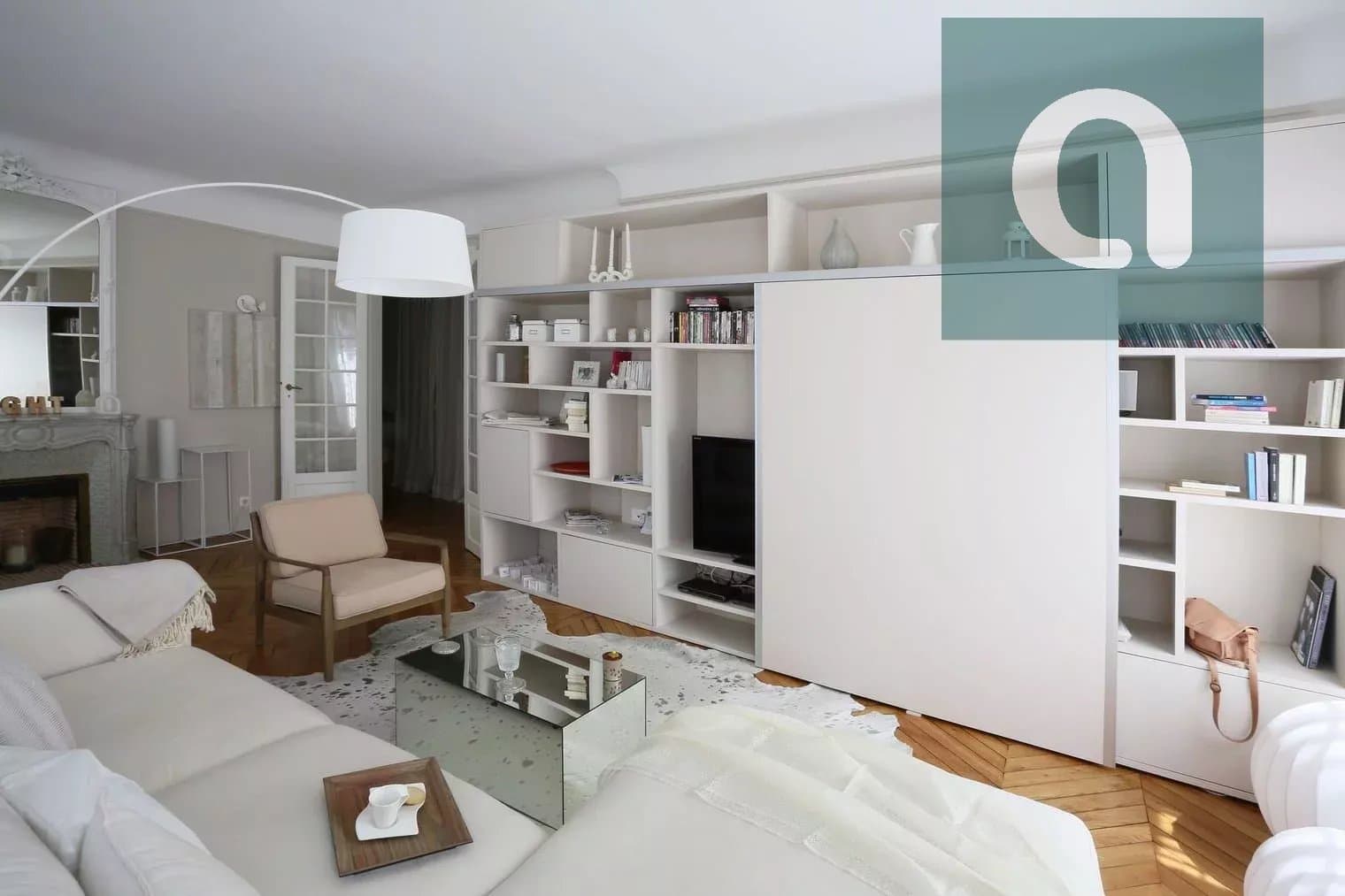 Photo 1 of 6DPE G
Toulouse · Appartement
65 m² · 3 rooms · 2 bed · 65 m² land
€247,200
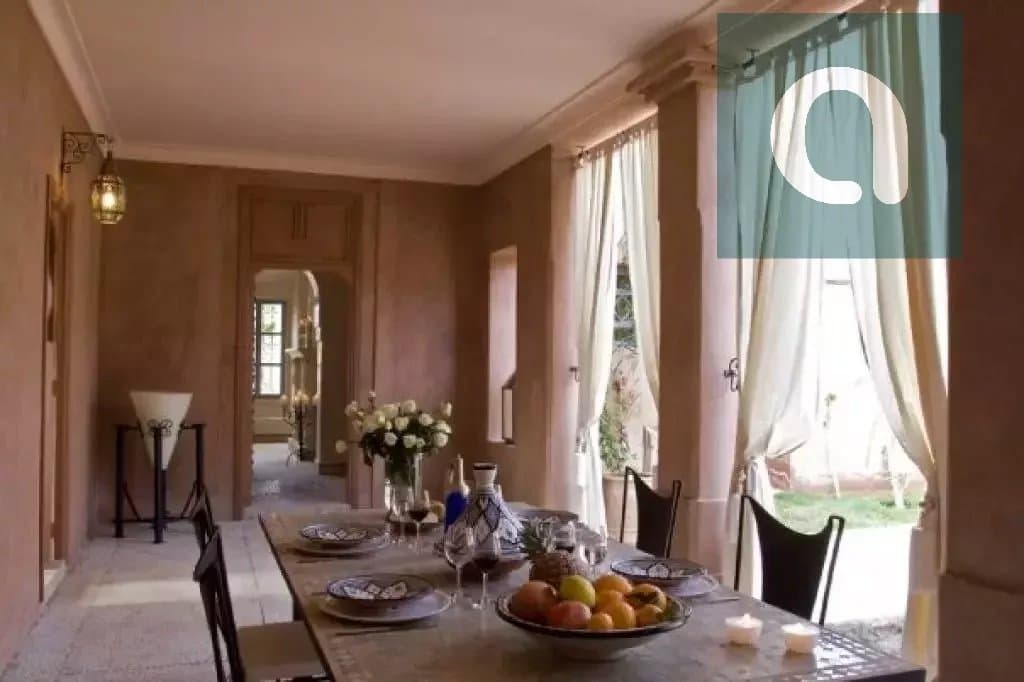 Photo 1 of 4DPE B
Antibes · Appartement
500 m² · 8 rooms · 1 bed · 550 m² land
€230,000
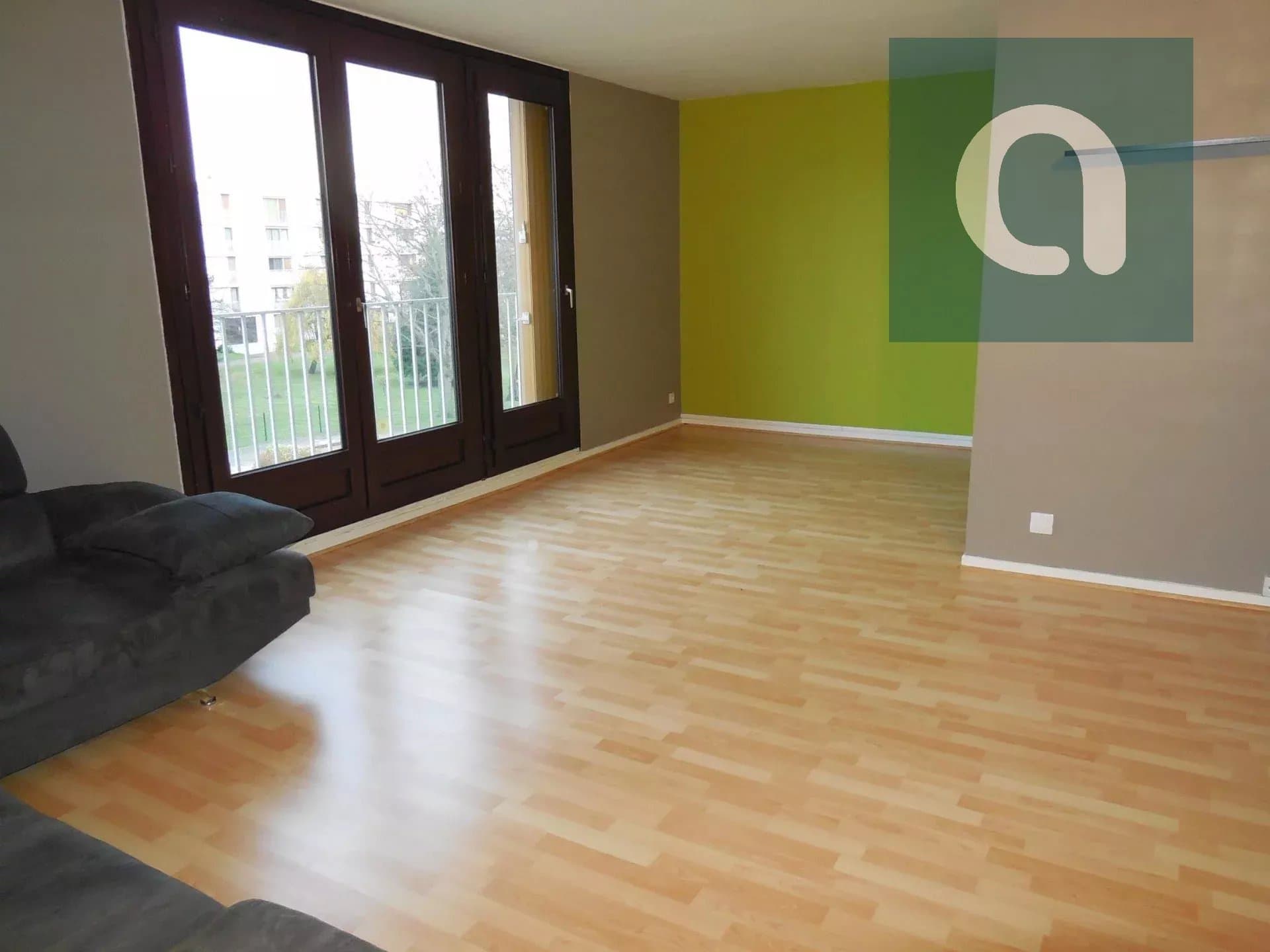 Photo 1 of 6DPE C
Rungis · Appartement
4 rooms · 1 bed · 66 m² land
€219,000
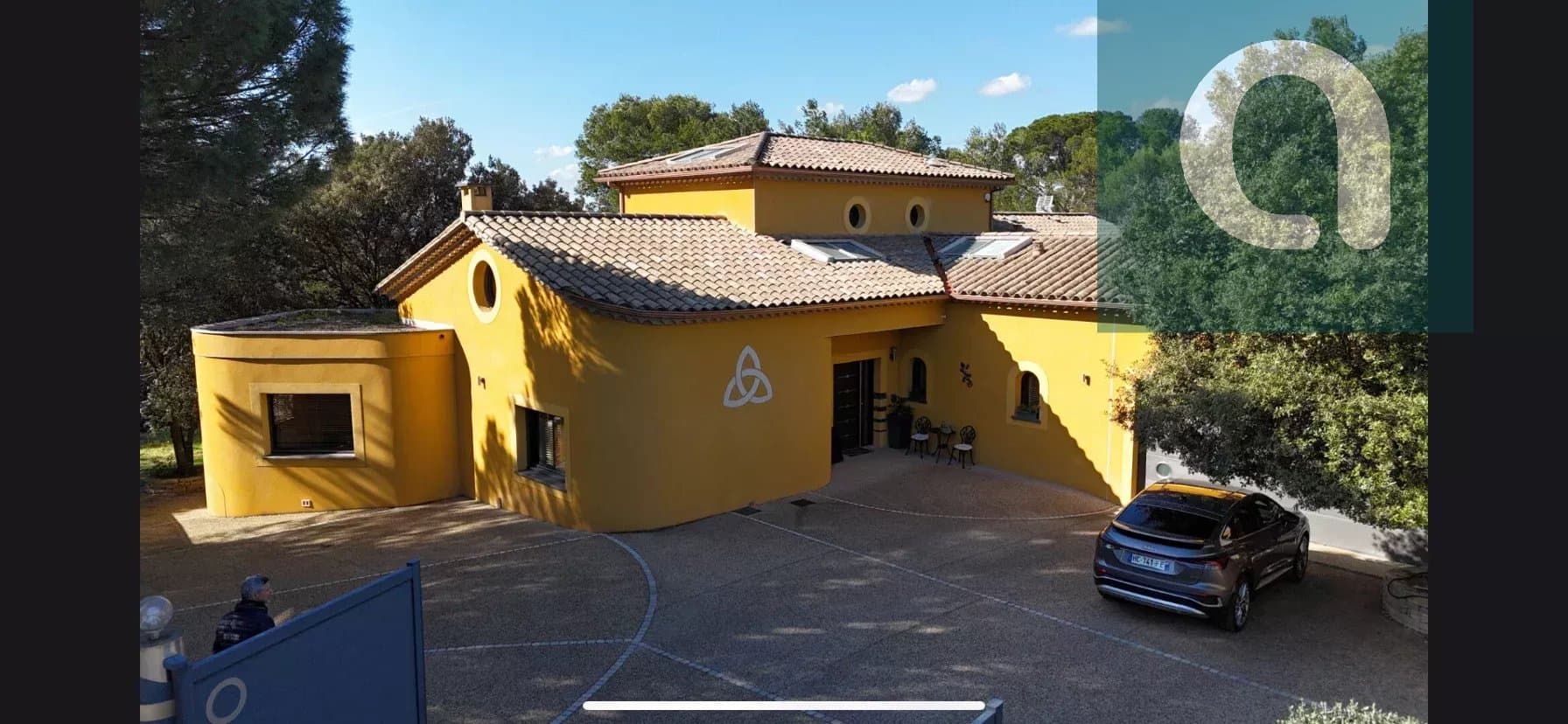 DPE D
DPE DPhalempin · Appartement
58 m² · 2 rooms · 1 bed · 100 m² land
€180,000
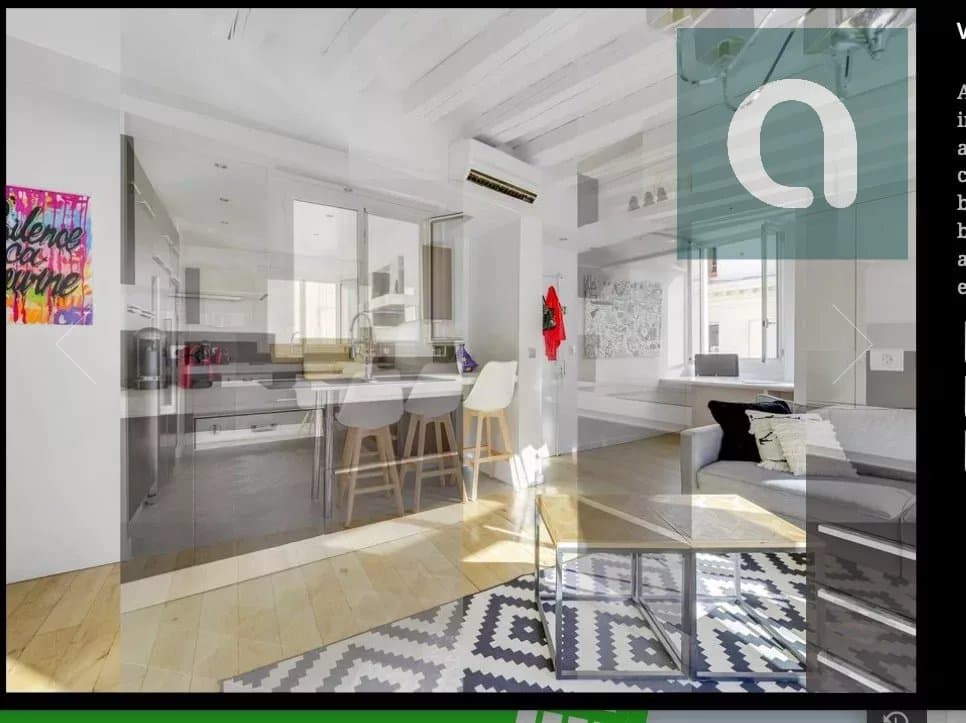 Photo 1 of 3DPE C
Morzine · Appartement
100 m² · 4 rooms
€103,000
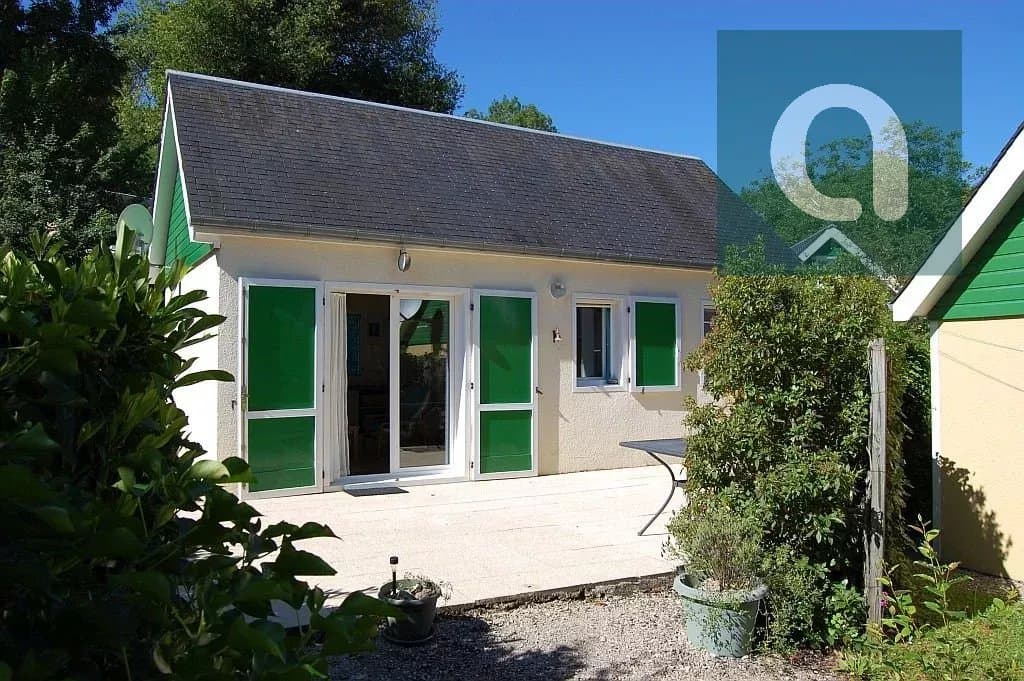 Photo 1 of 6DPE E
Chasteaux · Maison
31 m² · 3 rooms · 2 bed · 32 m² land
€67,500
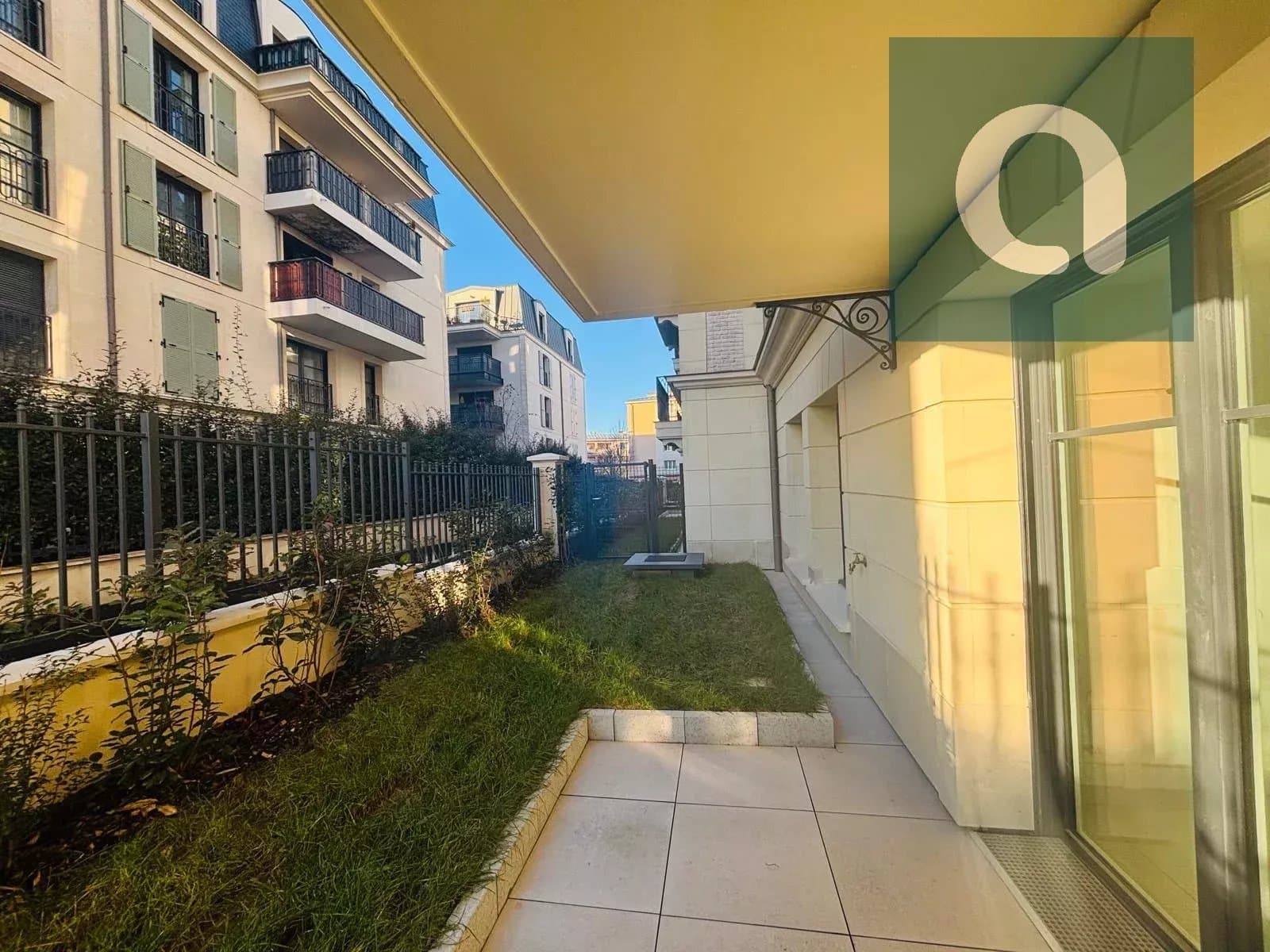 Photo 1 of 6DPE B
Clamart · Appartement
77 m² · 4 rooms · 3 bed
€1,889
 Photo 1 of 5DPE A
Vientiane · Appartement
3 rooms · 200 m² land
€1,750